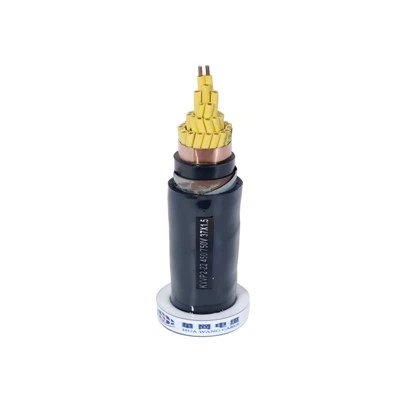

Hey there! As a supplier of Sheathed Flexible Cable, I often get asked about the maximum voltage these cables can handle. It's a crucial question, especially for those in industries where electrical safety and performance are top priorities. So, let's dive right in and explore this topic in detail.
First off, what exactly is a Sheathed Flexible Cable? Well, it's a type of cable that comes with a protective sheath, which provides insulation and mechanical protection. This makes it suitable for a wide range of applications, from household wiring to industrial machinery. You can learn more about it Sheathed Flexible Cable.
The maximum voltage that a sheathed flexible cable can handle depends on several factors. One of the most important factors is the type of insulation material used. Different insulation materials have different dielectric strengths, which determine how much voltage they can withstand before breaking down. For example, cables with PVC (Polyvinyl Chloride) insulation are commonly used for low - voltage applications, usually up to around 600 volts. PVC is a cost - effective option and offers good flexibility and chemical resistance.
On the other hand, cables with XLPE (Cross - Linked Polyethylene) insulation can handle much higher voltages. XLPE has excellent electrical properties, including high dielectric strength and low dielectric loss. These cables can typically handle voltages up to several thousand volts, making them suitable for medium - voltage applications in power distribution networks and industrial plants.
Another factor that affects the maximum voltage is the cable's construction. The thickness of the insulation layer plays a significant role. A thicker insulation layer can provide better protection against electrical breakdown. Also, the number of conductors in the cable and their arrangement can impact the voltage - handling capacity. For instance, Shielded Three - core Cable is designed to handle specific voltage levels based on its construction and shielding, which helps in reducing electromagnetic interference.
The environment in which the cable is used also matters. If the cable is exposed to high temperatures, moisture, or chemicals, its voltage - handling capacity can be reduced. High temperatures can cause the insulation material to degrade over time, leading to a decrease in its dielectric strength. Moisture can also penetrate the insulation and cause electrical leakage. In such harsh environments, special cables with enhanced insulation and protective features are required.
Let's talk about some common voltage ratings for different types of sheathed flexible cables. For general household use, you'll often find cables rated for 120 volts or 240 volts. These are used for lighting, appliances, and small electrical devices. In commercial buildings, cables rated for 480 volts are common for powering larger equipment and machinery.
In industrial settings, the voltage requirements can be much higher. Medium - voltage cables can range from 1 kV to 35 kV. These are used for powering large motors, transformers, and other heavy - duty equipment. High - voltage cables, which can handle voltages above 35 kV, are typically used in power transmission and distribution systems.
It's important to note that when selecting a sheathed flexible cable for a specific application, you need to consider not only the maximum voltage but also other factors such as current - carrying capacity, flexibility, and mechanical strength. For example, if you're using the cable in a moving or vibrating environment, you'll need a cable with good flexibility and durability.
Now, let's take a look at Sheathed Copper Wire. Copper is a popular choice for cable conductors because of its high electrical conductivity. Sheathed copper wires can handle different voltage levels depending on their insulation and construction. They are widely used in various electrical systems due to their reliability and performance.
As a supplier, I understand the importance of providing high - quality cables that meet the specific voltage requirements of our customers. We offer a wide range of sheathed flexible cables with different voltage ratings and features. Whether you need a cable for a small DIY project or a large industrial installation, we have the right solution for you.
If you're in the market for sheathed flexible cables, it's crucial to work with a reliable supplier. We have years of experience in the industry and can provide you with expert advice on cable selection. Our team can help you determine the best cable for your application based on the maximum voltage, current, and environmental conditions.
We also ensure that all our cables are manufactured to the highest standards. We use only the best quality materials and follow strict quality control procedures. This ensures that our cables are safe, reliable, and perform well in various applications.
So, if you're looking for high - quality sheathed flexible cables, don't hesitate to reach out to us. We're here to assist you with your cable needs and help you make the right choice. Whether you're an electrician, a contractor, or a business owner, we can provide you with the cables you need at competitive prices.
In conclusion, the maximum voltage that a sheathed flexible cable can handle depends on multiple factors such as insulation material, cable construction, and the operating environment. By understanding these factors, you can select the right cable for your specific application. And if you need any help or have any questions, we're just a message away.


References
- Electrical Engineering Handbook, Third Edition
- National Electrical Code (NEC)
- Standards for Cable Insulation Materials