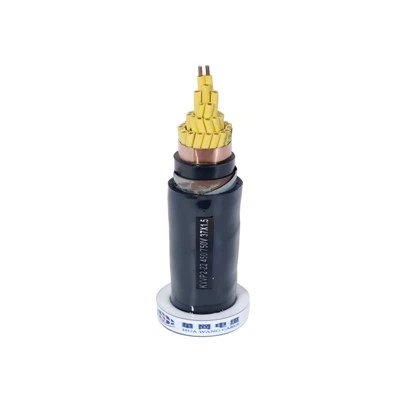

As a sheathed wire supplier, I'm often asked about the fire - safety features of sheathed wire. In this blog, I'll delve into the various aspects of these features, which are crucial for ensuring safety in electrical systems.
1. Insulation Materials
One of the primary fire - safety features of sheathed wire lies in its insulation materials. High - quality sheathed wires are typically insulated with materials that have excellent fire - resistant properties. For example, some sheathed wires use cross - linked polyethylene (XLPE) insulation. XLPE has a high melting point and is self - extinguishing. When exposed to fire, it doesn't easily catch fire and will stop burning once the ignition source is removed. This characteristic significantly reduces the risk of fire spreading through the wire.
Another commonly used insulation material is polyvinyl chloride (PVC). Although PVC is flammable, modern PVC formulations for sheathed wire often contain fire - retardant additives. These additives can slow down the burning process and prevent the wire from rapidly spreading flames. They work by releasing non - flammable gases when heated, which dilute the oxygen around the wire and suppress combustion.
2. Outer Sheath Design
The outer sheath of sheathed wire also plays a vital role in fire safety. A well - designed outer sheath can provide an additional layer of protection. It is usually made of materials that are resistant to heat and abrasion. For instance, some sheathed wires have a thermoplastic elastomer (TPE) outer sheath. TPE has good flexibility, which makes the wire easy to install, and at the same time, it has relatively high heat resistance.
The outer sheath can also act as a barrier to prevent the insulation from being damaged by external factors such as sharp objects or mechanical stress. If the insulation is damaged, it can increase the risk of short - circuits, which may lead to fires. The outer sheath helps to maintain the integrity of the insulation, thus enhancing fire safety.
3. Flame Retardant Rating
Sheathed wires are often assigned flame retardant ratings, which are important indicators of their fire - safety performance. These ratings are determined through standardized tests. For example, the UL 94 rating system is widely used in the United States. Wires with a UL 94 V - 0 rating are considered to have excellent fire - retardant properties. In a UL 94 V - 0 test, the wire must stop burning within 10 seconds after the ignition source is removed, and no flaming drips are allowed.
When choosing sheathed wire, it's essential to look for products with high flame retardant ratings. This ensures that the wire meets strict safety standards and can withstand fire conditions without contributing to the spread of flames.
4. Temperature Resistance
Sheathed wires need to be able to withstand high temperatures without degrading or catching fire. Different types of sheathed wires have different temperature ratings. For example, some high - temperature sheathed wires can operate at temperatures up to 200°C or even higher.
The temperature resistance of the wire is related to the materials used in its construction. Insulation materials with high melting points and good thermal stability are used to ensure that the wire can function properly under high - temperature conditions. This is particularly important in applications where the wire may be exposed to heat sources, such as in industrial settings or near heating equipment.


5. Grounding and Shielding
Grounding and shielding are also important fire - safety features of sheathed wire. Grounding provides a path for electrical current to flow safely to the ground in case of a fault. This helps to prevent electrical shocks and reduces the risk of fires caused by short - circuits.
Shielding, on the other hand, can protect the wire from electromagnetic interference. In some cases, electromagnetic interference can cause overheating in the wire, which may lead to fires. Shielded wires, such as the Shielded Three - core Cable, have a conductive layer that can absorb and redirect electromagnetic energy, thus maintaining the stability and safety of the wire.
6. Types of Sheathed Wires and Their Fire - Safety Features
- Single Core Sheathed Cable: The Single Core Sheathed Cable is commonly used in various electrical applications. Its fire - safety features are mainly related to the insulation and outer sheath. The single - core design simplifies the structure, which makes it easier to ensure the quality of the insulation. The outer sheath provides protection against physical damage and helps to prevent the spread of fire.
- Sheathed Flexible Cable: The Sheathed Flexible Cable is known for its flexibility, which makes it suitable for applications where the wire needs to be bent or moved frequently. In terms of fire safety, it often uses flexible insulation materials with good fire - retardant properties. The outer sheath is also designed to be flexible while still providing protection against fire and mechanical damage.
Conclusion
In conclusion, the fire - safety features of sheathed wire are multi - faceted. From the insulation materials and outer sheath design to flame retardant ratings, temperature resistance, grounding, and shielding, each aspect contributes to the overall fire - safety performance of the wire.
As a sheathed wire supplier, we are committed to providing high - quality products that meet strict fire - safety standards. If you are in need of sheathed wire for your electrical projects, whether it's the Single Core Sheathed Cable, Sheathed Flexible Cable, or Shielded Three - core Cable, we can offer you the right solutions. Contact us for procurement and let's discuss how our sheathed wires can meet your specific requirements.
References
- UL 94 Standard for Tests for Flammability of Plastic Materials for Parts in Devices and Appliances.
- Technical literature on insulation materials such as XLPE and PVC.
- Industry reports on the fire - safety performance of sheathed wires.