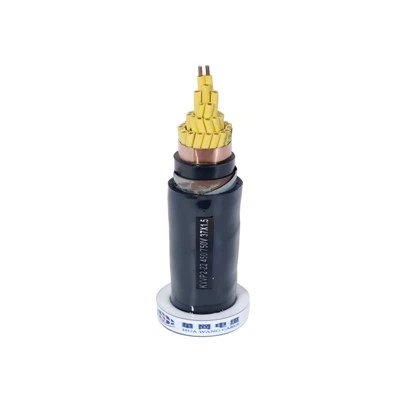

Selecting the right type of armor for an Armored VFD Cable is crucial, as it can significantly impact the cable's performance, durability, and safety in various applications. As an Armored VFD Cable supplier, I've seen firsthand how the wrong armor choice can lead to problems down the line. In this blog, I'll share some insights on how to pick the best armor for your specific needs.
Understanding Armored VFD Cables
Before we dive into armor selection, let's quickly go over what Armored VFD Cables are. These cables are designed to handle the unique electrical demands of variable frequency drives (VFDs). VFDs are used to control the speed and torque of electric motors, and they generate a lot of electrical noise and high-frequency harmonics. Armored VFD Cables are built to minimize these issues and protect the cable from external damage. You can learn more about them on our Armored VFD Cable page.
Types of Armor
There are several types of armor commonly used in Armored VFD Cables, each with its own set of advantages and disadvantages.
Steel Armor
Steel armor is one of the most popular choices. It offers excellent mechanical protection, making it ideal for applications where the cable is likely to be exposed to physical damage, such as in industrial settings or outdoor installations. Steel armor can withstand impacts, abrasions, and even rodent attacks. However, it's relatively heavy and can be more difficult to install compared to other types of armor.
Aluminum Armor
Aluminum armor is lighter than steel armor, which makes it easier to handle and install. It also provides good protection against mechanical damage and is resistant to corrosion. Aluminum armor is a great option for applications where weight is a concern, such as in mobile equipment or overhead installations. But it may not be as strong as steel armor in some high-impact situations.
Copper Armor
Copper armor offers superior electrical conductivity, which can help reduce electromagnetic interference (EMI) and radio frequency interference (RFI). This makes it a good choice for applications where electrical noise is a major issue, such as in data centers or sensitive electronic equipment. However, copper armor is more expensive than steel or aluminum armor.


Factors to Consider When Selecting Armor
Now that we've covered the different types of armor, let's look at the factors you should consider when choosing the right one for your application.
Application Environment
The first thing you need to think about is the environment where the cable will be installed. If the cable will be exposed to harsh conditions, such as extreme temperatures, moisture, or chemicals, you'll need an armor that can withstand these elements. For example, in a wet or corrosive environment, aluminum or stainless steel armor may be a better choice than regular steel armor.
Mechanical Protection Requirements
Consider the level of mechanical protection the cable needs. If the cable is likely to be subjected to heavy impacts, abrasions, or crushing forces, you'll need a strong armor like steel. On the other hand, if the cable is in a relatively protected environment, a lighter armor like aluminum may be sufficient.
Electrical Requirements
Electrical noise can be a major problem in VFD applications. If you're dealing with sensitive equipment or need to meet strict EMI/RFI standards, you may want to consider copper armor or a cable with a high-quality shielding layer. You can find more information about VFD cables with good shielding on our VFD Shielded Motor Cable page.
Cost
Cost is always a factor when making any purchasing decision. Steel armor is generally the most cost-effective option, while copper armor is the most expensive. You'll need to balance your budget with the performance requirements of your application.
Case Studies
Let's take a look at a couple of real-world examples to see how these factors play out in practice.
Industrial Manufacturing Plant
In an industrial manufacturing plant, there are a lot of moving machinery and heavy equipment. The cables need to be protected from physical damage, as well as electrical noise. In this case, a steel-armored Armored VFD Cable would be a good choice. It provides the necessary mechanical protection and can also help reduce EMI/RFI.
Data Center
In a data center, the focus is on minimizing electrical noise to ensure the proper operation of sensitive electronic equipment. A copper-armored Armored VFD Cable would be a better option here. It offers superior electrical conductivity and can effectively reduce EMI/RFI.
Our Product Recommendations
At our company, we offer a wide range of Armored VFD Cables with different types of armor to meet the needs of various applications. One of our popular products is the BPYJVTP2 Variable Frequency Drive (VFD) Cable. It comes with high-quality armor and excellent shielding to provide reliable performance in demanding environments.
Conclusion
Selecting the right type of armor for an Armored VFD Cable is not a one-size-fits-all decision. You need to consider the application environment, mechanical protection requirements, electrical requirements, and cost. By taking these factors into account, you can choose the armor that will provide the best performance and durability for your specific needs.
If you're still unsure which armor is right for your application, or if you have any other questions about Armored VFD Cables, don't hesitate to reach out to us. We're here to help you make the right choice and ensure your project is a success. Contact us today to start a discussion about your cable needs.
References
- Electrical Engineering Handbook, Third Edition
- National Electrical Code (NEC)