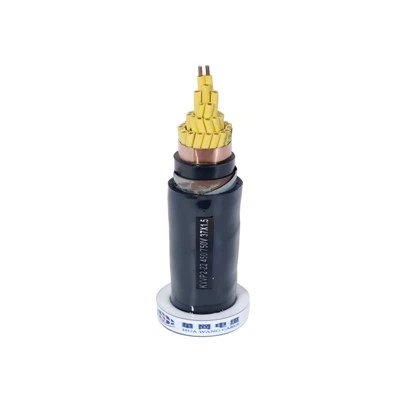

As an instrumentation cable supplier, I've been getting a lot of questions lately about the return loss properties of our cables. So, I thought I'd take a moment to break it down and explain what return loss is, why it matters, and how it relates to our different types of instrumentation cables.
What is Return Loss?
Let's start with the basics. Return loss is a measure of how much of the signal traveling through a cable gets reflected back towards the source. In an ideal world, all of the signal would travel from the source to the destination without any reflection. But in reality, some of the signal gets bounced back due to impedance mismatches, cable imperfections, or other factors.
Return loss is expressed in decibels (dB), and a higher return loss value means less signal is being reflected. For example, a return loss of 20 dB is better than a return loss of 10 dB because it indicates that less of the signal is being sent back towards the source.
Why Does Return Loss Matter?
Return loss is important for several reasons. First and foremost, it affects the overall performance of your instrumentation system. When a signal is reflected back towards the source, it can interfere with the original signal, causing distortion, attenuation, and other issues. This can lead to inaccurate measurements, reduced signal strength, and even system failures.
In addition to affecting performance, return loss can also impact the efficiency of your system. When a signal is reflected, it represents wasted energy. The more signal that is reflected, the more energy is being lost, which can increase your operating costs and reduce the lifespan of your equipment.
Finally, return loss is often a specification requirement for many applications. For example, in telecommunications, a certain level of return loss may be required to ensure reliable communication. In industrial automation, return loss may be specified to ensure accurate data transmission between sensors and controllers.
Return Loss Properties of Different Instrumentation Cables
Now that we understand what return loss is and why it matters, let's take a look at how it relates to our different types of instrumentation cables.
Armoured Instrumentation Cable
Armoured Instrumentation Cable is designed to provide extra protection against mechanical damage, moisture, and electromagnetic interference (EMI). The armour layer helps to prevent the cable from being crushed, cut, or damaged by external forces, while also providing a shield against EMI.
In terms of return loss, armoured instrumentation cables typically have good performance due to their construction. The armour layer helps to maintain the integrity of the cable, reducing the likelihood of impedance mismatches and signal reflections. Additionally, the shield layer helps to minimize EMI, which can also contribute to better return loss performance.
However, it's important to note that the return loss performance of armoured instrumentation cables can vary depending on the specific design and construction of the cable. For example, cables with a thicker armour layer may have better mechanical protection but may also have higher capacitance, which can affect return loss. Similarly, cables with a more complex shield design may provide better EMI protection but may also be more expensive.
Flexible Instrument Cable
Flexible Instrument Cable is designed to be easily bent and routed, making it ideal for applications where flexibility is required. These cables are often used in robotics, automation, and other applications where the cable needs to move or flex repeatedly.
In terms of return loss, flexible instrument cables can have good performance if they are designed and manufactured properly. However, the flexibility of these cables can also make them more susceptible to impedance mismatches and signal reflections. For example, if the cable is bent too tightly or twisted, it can cause the impedance of the cable to change, which can lead to increased return loss.
To minimize the impact of flexibility on return loss, it's important to choose a flexible instrument cable that is designed for the specific application. Look for cables that have a low bend radius and are made from high-quality materials. Additionally, make sure to install the cable correctly, following the manufacturer's guidelines for bending and routing.
Fire Rated Instrumentation Cable
Fire Rated Instrumentation Cable is designed to provide reliable performance in the event of a fire. These cables are typically made from fire-resistant materials and are designed to maintain their integrity and functionality for a certain period of time during a fire.
In terms of return loss, fire rated instrumentation cables can have similar performance to other types of instrumentation cables. However, the fire-resistant materials used in these cables can sometimes affect the electrical properties of the cable, which can impact return loss. For example, some fire-resistant materials may have a higher dielectric constant, which can increase the capacitance of the cable and reduce return loss.
To ensure that fire rated instrumentation cables meet the required return loss specifications, it's important to choose a cable that is tested and certified to the appropriate standards. Look for cables that have been tested by independent third-party laboratories and that meet the requirements of relevant fire safety standards.
Factors Affecting Return Loss
In addition to the type of cable, there are several other factors that can affect the return loss properties of instrumentation cables. These include:
- Cable Length: Longer cables generally have higher return loss than shorter cables due to increased signal attenuation and impedance mismatches.
- Cable Diameter: Thicker cables generally have lower return loss than thinner cables due to their lower capacitance and impedance.
- Cable Termination: Proper cable termination is essential for minimizing return loss. Improperly terminated cables can cause impedance mismatches and signal reflections.
- Environmental Conditions: Environmental factors such as temperature, humidity, and vibration can affect the return loss properties of instrumentation cables. For example, high temperatures can cause the dielectric material in the cable to expand, which can increase capacitance and reduce return loss.
Measuring Return Loss
To ensure that your instrumentation cables meet the required return loss specifications, it's important to measure the return loss of the cables using a suitable test instrument. There are several types of test instruments available for measuring return loss, including network analyzers, time domain reflectometers (TDRs), and return loss bridges.


When measuring return loss, it's important to follow the manufacturer's instructions and use the appropriate test setup. Make sure to test the cables at the appropriate frequency range and under the same environmental conditions as the actual application.
Conclusion
In conclusion, return loss is an important property of instrumentation cables that can have a significant impact on the performance and efficiency of your instrumentation system. By understanding what return loss is, why it matters, and how it relates to different types of instrumentation cables, you can make informed decisions when choosing and installing cables for your application.
As an instrumentation cable supplier, we offer a wide range of high-quality cables that are designed to meet the specific needs of our customers. Whether you need Armoured Instrumentation Cable, Flexible Instrument Cable, or Fire Rated Instrumentation Cable, we have the expertise and experience to help you find the right cable for your application.
If you have any questions about return loss or our instrumentation cables, please don't hesitate to contact us. We'd be happy to discuss your requirements and provide you with a quote. Let's work together to ensure the success of your instrumentation system!
References
- "Understanding Return Loss in Coaxial Cables." RF Cafe.
- "Return Loss: What It Is and Why It Matters." Fluke Corporation.
- "Instrumentation Cable Selection Guide." Belden.