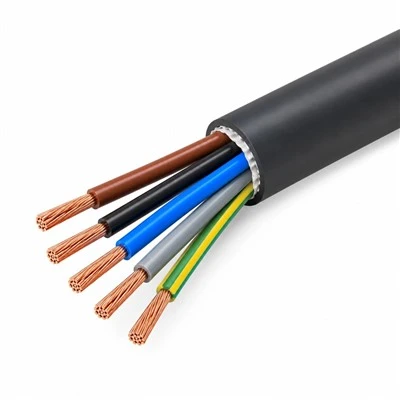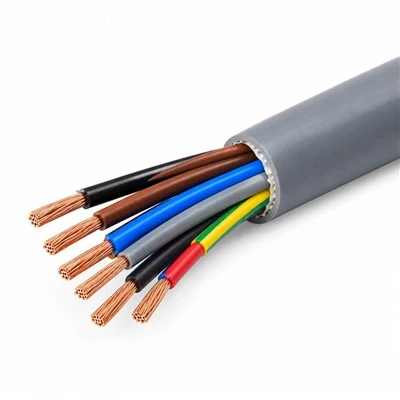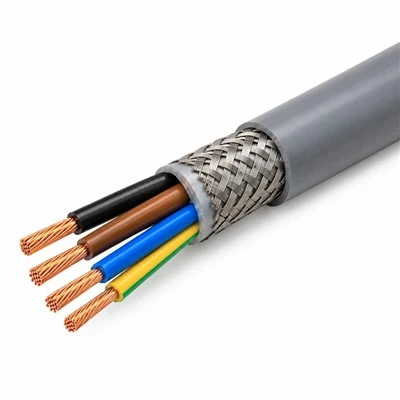
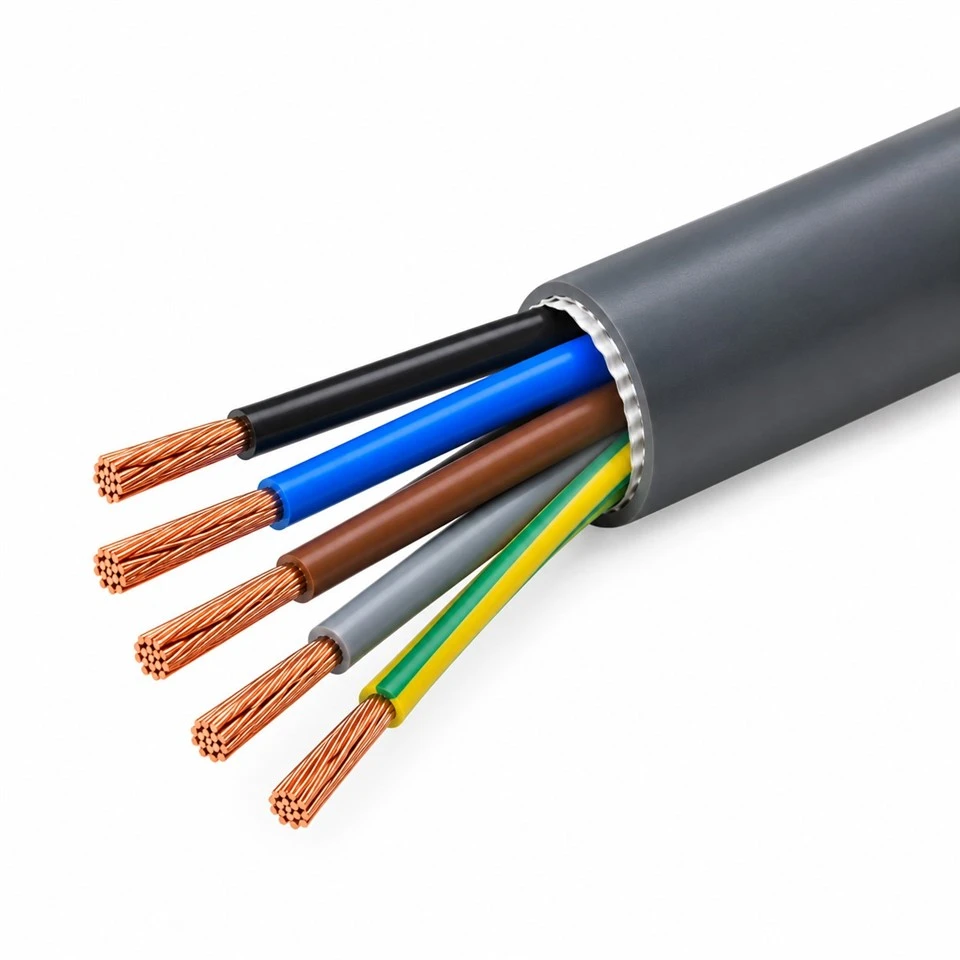
A copper control cable is designed to carry control signals, switching commands, and other electrical connections between industrial equipment, control panels, instruments, and automation systems. Its copper conductors provide a conductive path for electrical signals, while the insulation and outer sheath help protect the conductors and maintain separation between circuits.
For industrial buyers, selecting a copper control cable involves more than choosing copper as the conductor material. The number of cores, conductor cross-sectional area, conductor stranding, insulation compound, shielding configuration, mechanical protection, and installation conditions all influence whether a cable is suitable for a particular application.
Huawang Cable supplies cable products for industrial and electrical applications. The appropriate copper control cable configuration should be selected according to the project's electrical requirements, installation environment, applicable standards, and confirmed product specifications.
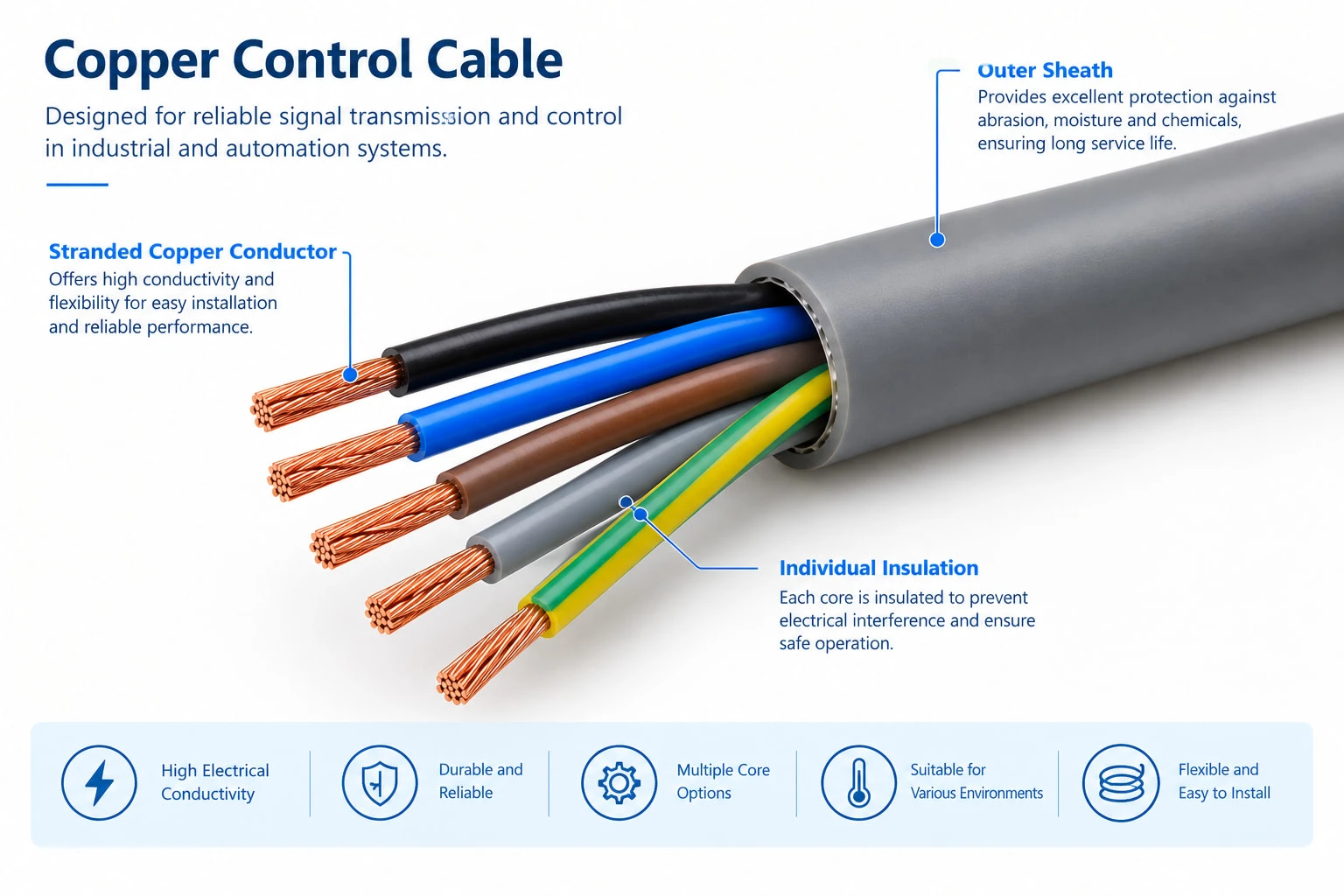
What Is a Copper Control Cable?
A copper control cable is an electrical cable that uses copper conductors to connect control devices and transmit electrical signals within equipment and industrial installations. Typical connections include those between push buttons, relays, sensors, actuators, programmable logic controller (PLC) interfaces, and machine control cabinets, depending on the circuit design.
The term "copper control cable" describes two important characteristics: its intended control-circuit function and its conductor material. It does not, by itself, define a single standardized construction. One product may use solid copper conductors, while another may use stranded copper conductors. Insulation, sheath materials, core identification, shielding, and mechanical protection can also differ.
For this reason, buyers should evaluate the complete cable specification rather than relying on the product name alone. A copper control cable intended for stationary equipment wiring may have different construction requirements from one installed on moving machinery or in an environment with electrical interference.
Why Copper Conductors Matter in Control Cable Applications
Copper is widely used in electrical cables because of its high electrical conductivity, established processing methods, and suitability for a broad range of conductor designs. In control circuits, these characteristics help provide a dependable electrical connection when the conductor size and cable construction are correctly matched to the application.
1. Electrical Conductivity
Copper has high electrical conductivity, which helps limit conductor resistance for a given conductor geometry. In a control circuit, conductor resistance can affect voltage drop, especially where cable runs are long or connected equipment has limited voltage tolerance.
The actual voltage drop depends on conductor cross-sectional area, circuit length, current, conductor temperature, and circuit arrangement. Copper alone does not guarantee an acceptable voltage drop; the conductor size must still be calculated for the intended installation.
2. Conductor Flexibility Options
Copper conductors can be manufactured in different stranding configurations. Stranded conductors are often considered where cable handling, routing, or repeated movement makes flexibility important. Solid conductors may be suitable for certain fixed-wiring designs, subject to the relevant product standard and installation requirements.
Buyers should distinguish between a stranded conductor and a flexible cable. Stranding can improve handling flexibility, but the complete cable's bending performance also depends on conductor construction, insulation, core arrangement, sheath materials, and the manufacturer's specified minimum bending radius.
3. Established Connection Methods
Copper conductors are commonly terminated using suitable screw terminals, terminal blocks, crimp contacts, or other connection systems compatible with the conductor class and equipment. Correct preparation and termination help reduce the risk of loose connections, excessive contact resistance, and conductor damage.
Terminal compatibility must be checked before installation. Fine-stranded conductors may require approved ferrules or specific termination methods, depending on the terminal manufacturer's instructions and applicable electrical regulations.
4. Suitability for Multicore Designs
Copper conductors can be arranged into multicore cables so that several control circuits can share one cable route. A multicore configuration can simplify cable routing and reduce the number of separate cable runs, provided that circuit separation, identification, electrical interference, and installation requirements are addressed.
Copper Control Cable Construction
The construction of a copper control cable determines its electrical characteristics, mechanical protection, and suitability for different environments. The exact layer arrangement varies by product design; the following describes common components rather than a guaranteed construction for every cable.
| Component | Typical Material or Design | Purpose |
|---|---|---|
| Conductor | Copper, solid or stranded as specified | Carries electrical current and control signals. |
| Conductor insulation | PVC, XLPE, or another specified insulating compound | Electrically separates individual conductors and helps prevent unintended contact. |
| Core identification | Color-coded insulation, numbers, or another specified identification system | Helps installers identify individual cores and connect circuits correctly. |
| Core assembly | One or more insulated conductors arranged according to the cable design | Organizes the required circuits within a single cable. |
| Optional separator or filler | Materials specified by the manufacturer | May help maintain cable geometry and support the assembled core structure. |
| Optional shielding | Metallic braid, foil, or another specified screening arrangement | Helps manage electromagnetic interference when correctly designed and installed. |
| Outer sheath | PVC or another specified jacket compound | Provides the external protective layer against mechanical contact and environmental exposure within its rated limits. |
| Optional armour | A specified metallic or other protective construction | Provides additional mechanical protection where the design and installation require it. |
Not every copper control cable includes shielding, armour, fillers, or the same insulation and sheath materials. Confirm the actual construction drawing and datasheet before specifying a cable for a project.
How to Select the Right Copper Control Cable Specifications
The most suitable cable is the one that meets the electrical, mechanical, environmental, and regulatory requirements of the installation without unnecessary cost or complexity.
1. Select the Correct Number of Cores
Core count should be based on the number of conductors required by the control circuit. Before selecting a cable, review the wiring diagram and identify the connections required for sensors, switches, actuators, interlocks, feedback signals, and other devices.
Allow for spare cores when the project design or maintenance strategy calls for them. Spare conductors can support future modifications, but unused cores must be identified, insulated, and terminated in accordance with the installation requirements.
| Core Configuration | Potential Application | Selection Consideration |
|---|---|---|
| 2-core | Simple two-conductor control or signal connections | Verify whether additional conductors are required for the complete circuit. |
| 3-core or 4-core | Compact equipment connections and selected control circuits | Confirm circuit arrangement, conductor identification, and spare-core needs. |
| 5-core or 7-core | Equipment requiring several control connections | Check the wiring diagram and terminal capacity. |
| Higher-core-count multicore cable | Machine wiring, grouped control circuits, or centralized equipment connections | Evaluate cable diameter, routing space, circuit grouping, and termination complexity. |
These examples are illustrative rather than fixed application rules. A particular core count does not automatically determine whether a cable is suitable for a machine or control system.
For a more detailed discussion of conductor count, see the 4 Core Control Cable product page and the guide on how to choose the right number of cores in a control cable, if that blog URL is published and accessible.
2. Choose the Appropriate Conductor Cross-Sectional Area
The conductor cross-sectional area must meet the circuit's electrical requirements. A larger conductor generally has lower resistance per unit length, but it also increases cable size, weight, and often cost. A smaller conductor may be adequate for some low-current control signals but could create excessive voltage drop or fail to meet applicable requirements in another circuit.
Evaluate the following before selecting a size:
- Operating current and the electrical characteristics of connected devices.
- One-way cable length and the complete circuit arrangement.
- Permissible voltage drop at the receiving equipment.
- Installation temperature, grouping, and other applicable derating factors.
- Conductor class and compatibility with terminals or connectors.
- Applicable cable standards and electrical installation regulations.
Do not select a conductor size solely by copying the size used on another machine. The circuit calculation and project requirements should determine the final specification.
3. Choose the Insulation and Outer Sheath Materials
Insulation and sheath materials should be selected according to the actual installation conditions. PVC is used in many general-purpose cable designs, while other compounds may be specified for particular temperature, flexibility, chemical, smoke, or fire-performance requirements.
| Material or Cable Feature | What to Evaluate |
|---|---|
| PVC insulation or sheath | Rated temperature, mechanical properties, environmental exposure, and applicable product standard. |
| XLPE insulation | Electrical rating, temperature performance, compatibility with the overall cable design, and applicable standard. |
| Flexible construction | Conductor class, minimum bending radius, movement frequency, and whether the cable is rated for the intended motion. |
| Low-smoke, halogen-free construction | Required smoke and halogen performance, test methods, and project fire-safety requirements. |
| Fire-performance construction | Whether the requirement is flame retardancy, circuit integrity during fire, or another specifically defined performance. |
Material names alone are not sufficient proof of performance. Confirm the declared temperature range, test standard, chemical resistance, and other ratings for the exact cable construction.
4. Determine Whether Shielding Is Necessary
Not every copper control cable needs a metallic shield. Shielding should be considered when the circuit is sensitive to electromagnetic interference or when the installation includes variable-frequency drives, motors, switching equipment, or other potential sources of electrical noise.
The decision depends on the signal type, noise environment, cable routing, grounding arrangement, and equipment manufacturer's instructions. A shield cannot compensate for every wiring problem, and improper termination may reduce its effectiveness.
Where shielding is required, compare the intended design with the Shielded Control Cable and CY Control Cable product pages. Confirm the shield material, coverage, termination method, and applicable electrical requirements before ordering.
5. Consider Fixed Installation or Repeated Movement
A cable routed through a stationary cable tray has different mechanical demands from a cable connected to a moving machine component. Repeated bending, torsion, drag-chain travel, vibration, and abrasion can affect service life.
For fixed installations, assess support spacing, bending radius, environmental exposure, and mechanical protection. For moving applications, verify that the cable is specifically designed for the intended movement and cycle conditions. A stranded copper conductor alone does not establish suitability for continuous flexing.
For applications requiring a more flexible construction, review Flexible Control Cable. Confirm the manufacturer's stated motion capability and installation limits before using any cable in a moving assembly.
Where Are Copper Control Cables Used?
Copper control cables are used in a range of industrial installations where electrical connections are needed between control devices, machinery, and monitoring or automation equipment. The appropriate design depends on the operating environment and the circuits being connected.
Industrial Machinery and Production Lines
Machine tools, packaging equipment, assembly systems, and production lines can require multiple control connections between sensors, switches, actuators, and control cabinets. Multicore copper control cable can consolidate selected circuits into an organized cable route and simplify installation planning.
For machinery with frequent movement or vibration, verify the cable's mechanical rating, support method, and connection design. A cable suitable for a stationary cabinet connection may not be suitable for a moving machine axis.
Automation and Control Panels
Control cabinets contain equipment such as relays, terminal blocks, PLC interfaces, and other electrical components. Copper control cables can connect these components with field devices, subject to the system's wiring design.
Clear core identification, suitable conductor sizing, proper routing, and reliable terminations help make commissioning and maintenance more manageable. Signal circuits should be routed and separated in accordance with the equipment manufacturer's requirements and applicable electrical standards.
Building and Facility Equipment
Selected building service systems and facility equipment use control cables to connect controllers, switches, monitoring devices, and actuators. Cable selection must account for the building's installation method, environmental conditions, fire-safety requirements, and local regulations.
Where a project specifies low-smoke or halogen-free performance, use a cable with verified ratings that satisfy the project specification rather than assuming that a standard copper control cable meets those requirements.
Industrial Utilities and Process Equipment
Pumps, fans, conveyors, and other utility equipment may require control wiring between local devices and centralized control systems. The correct cable construction depends on factors such as motor-related interference, ambient temperature, moisture, chemical exposure, and mechanical damage risk.
For installations that require additional mechanical protection, review the Steel Tape Armoured Cable product page. Armour selection must match the actual mechanical hazards and applicable installation rules; it should not be treated as a substitute for checking the cable's other ratings.
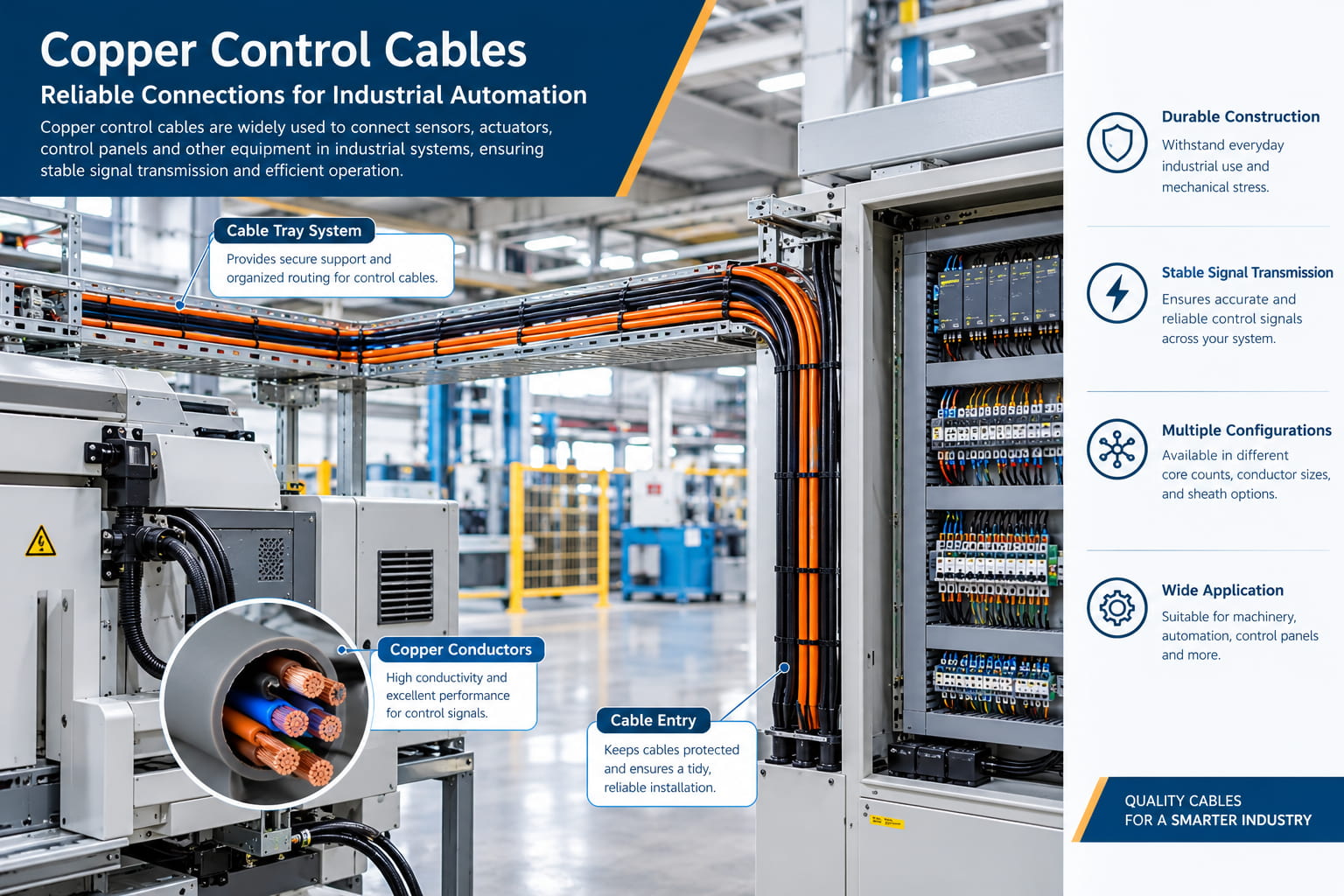
Copper Control Cable vs. Other Control Cable Options
Copper control cable is a broad product description. Other control cable names often highlight a particular construction feature, such as insulation material, flexibility, shielding, or mechanical protection. These characteristics can overlap: for example, a cable may have copper conductors and also be shielded, flexible, or armoured.
| Cable Type | Main Distinguishing Feature | What Buyers Should Verify |
|---|---|---|
| Copper Control Cable | Uses copper conductors for control circuits. | Core count, conductor size, insulation, sheath, and any additional construction requirements. |
| Shielded Control Cable | Includes a specified shielding construction. | Shield type, coverage, grounding, signal requirements, and installation method. |
| Flexible Control Cable | Designed with a specified degree of flexibility. | Conductor class, bending radius, movement conditions, and cycle rating where applicable. |
| Armoured Control Cable | Includes a specified armour or mechanical protection layer. | Mechanical hazard, cable diameter, installation method, and applicable standard. |
| LSZH Control Cable | Designed to meet specified low-smoke and halogen-free requirements. | Relevant test methods, declared performance, and project requirements. |
These categories are not necessarily mutually exclusive. A copper control cable may incorporate several of these features in a single construction. The correct choice should be based on the required performance rather than the product label alone.
Quality and Manufacturing Considerations
When evaluating a copper control cable supplier, buyers should examine the complete product specification and the evidence available for the supplied batch. The conductor material is only one element of cable quality.
- Conductor verification: Confirm the specified copper material, conductor class, nominal cross-sectional area, and relevant resistance requirements.
- Insulation and sheath consistency: Check the specified materials, dimensions, surface condition, and relevant physical or electrical test requirements.
- Core identification: Verify that core colors, numbering, or other identification methods match the approved product specification.
- Dimensional conformity: Confirm the specified overall diameter, insulation thickness, sheath thickness, and dimensional tolerances where applicable.
- Electrical testing: Identify the required continuity, conductor resistance, insulation resistance, voltage, or other tests based on the product standard and purchase specification.
- Documentation and traceability: Request the relevant datasheet, inspection records, batch identification, and conformity documents required by the project.
- Packaging and delivery: Confirm drum or coil length, packaging method, cable marking, shipping protection, and the documentation required for receipt.
Testing requirements differ by cable type and applicable standard. Buyers should agree on the required tests and acceptance criteria before production rather than assuming every cable is subject to an identical inspection program.
How to Request a Copper Control Cable Quotation
A complete request for quotation helps the manufacturer determine whether the proposed construction matches the intended installation and reduces the risk of receiving a cable with unsuitable dimensions or performance.
| Information to Provide | Example or Clarification |
|---|---|
| Product type | Copper control cable, with any required shielding, armour, or flexibility features specified. |
| Number of cores | The exact core count shown in the circuit design. |
| Conductor size | Nominal cross-sectional area in mm² or the specified conductor designation. |
| Conductor construction | Solid or stranded, with conductor class or applicable standard where required. |
| Rated voltage | The voltage rating required by the equipment and installation standard. |
| Insulation and sheath | Required material and any temperature, chemical, or environmental ratings. |
| Shielding or armour | Specify whether it is required and identify the desired construction or standard. |
| Installation conditions | Fixed or moving installation, indoor or outdoor use, cable tray, conduit, or other routing method. |
| Applicable standard | Required national, international, or project-specific cable standard. |
| Order quantity and delivery | Total length, required drum or coil lengths, destination, and target delivery schedule. |
If the project already has a cable schedule, wiring diagram, or existing cable datasheet, include it with the inquiry. These documents can help the supplier assess conductor count, size, identification, construction, and testing requirements more accurately.
Frequently Asked Questions About Copper Control Cable
1. What is copper control cable used for?
Copper control cable is used to connect control devices, sensors, actuators, equipment, and control panels in electrical and industrial systems. The specific application depends on the circuit design, cable construction, and applicable ratings.
2. Is copper control cable always stranded?
No. Copper conductors can be solid or stranded, depending on the cable design. Stranded conductors are common where installation flexibility is useful, but the required conductor class should be confirmed from the product datasheet.
3. Does copper control cable need shielding?
Not always. Shielding may be required where electrical interference could affect sensitive control signals. The decision depends on the signal type, installation environment, equipment instructions, grounding arrangement, and applicable standards.
4. How do I choose the right copper control cable size?
Consider operating current, circuit length, permissible voltage drop, conductor temperature, installation conditions, terminal compatibility, and applicable regulations. The final size should be based on the circuit design and relevant requirements rather than core count alone.
5. Can copper control cable be used outdoors?
Only when the particular cable construction is rated for the intended outdoor conditions. Check UV exposure, moisture, temperature, mechanical protection, and any other environmental requirements against the manufacturer's declared ratings.
6. Is copper control cable suitable for moving machinery?
Some designs may be suitable for particular moving applications, but copper conductor material alone does not establish dynamic-flex performance. Verify the cable's intended use, bending radius, movement type, and any specified flex-life limitations.
7. What is the difference between copper control cable and copper power cable?
The distinction is primarily based on intended circuit function and the applicable product design. Control cables are commonly used for command, monitoring, and control connections, while power cables are designed for power distribution. Actual current capacity, voltage rating, insulation, and construction must be checked against the relevant specifications; the conductor material alone does not define the cable's intended use.
8. What information should I confirm before placing an order?
Confirm the core count, conductor cross-sectional area and class, rated voltage, insulation and sheath materials, shielding or armour requirements, applicable standard, environmental ratings, test requirements, order length, packaging, and delivery requirements. Request the manufacturer's datasheet for the exact proposed construction before approval.
Choose a Copper Control Cable Based on Your Application
The right copper control cable combines an appropriate conductor design with suitable insulation, core identification, sheath protection, and any additional features required by the installation. Reviewing these factors together helps buyers specify a cable that meets the electrical and mechanical demands of the project.
Before confirming a purchase, compare the proposed construction with the project specification and request supporting technical documentation for the exact product. This is especially important when a project requires defined voltage ratings, temperature limits, shielding performance, fire performance, or compliance with a particular cable standard.
For related options, explore Huawang Cable's Control Cable range, including Shielded Control Cable and Flexible Control Cable, and select the construction that best matches the installation requirements.
Hot Tags: Copper Control Cable, 2 core control cable, armoured control cable, control cable wire, power wiring and control wiring, PVC Control Cable, swa control cable