
As a supplier of Steel Tape Armoured Cable, I've encountered numerous inquiries from customers about ensuring the compatibility of these cables with electrical equipment. In this blog post, I'll share some insights and tips based on my experience in the industry.
Understanding Steel Tape Armoured Cable
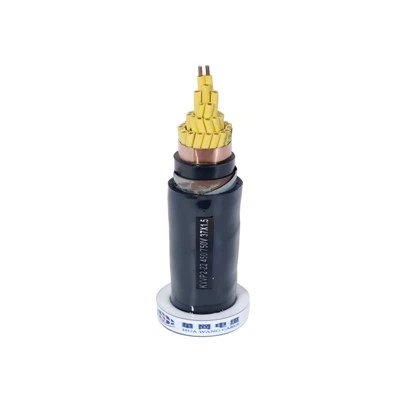
First off, let's quickly go over what Steel Tape Armoured Cable is. It's a type of cable that has a layer of steel tape around the insulation, which provides mechanical protection. This makes it suitable for use in harsh environments where the cable might be exposed to physical damage, like in industrial settings or underground installations. You can check out more about it Steel Tape Armoured Cable.
Voltage and Current Ratings
One of the most crucial aspects of ensuring compatibility is matching the voltage and current ratings of the cable with the electrical equipment. Each piece of equipment has specific voltage and current requirements, and the cable must be able to handle these without overheating or causing other issues.
For example, if you're using a piece of equipment that operates at 400V and draws a maximum current of 20A, you need to select a Steel Tape Armoured Cable that has a voltage rating of at least 400V and a current-carrying capacity of 20A or more. This information is usually provided in the cable's datasheet. Make sure to double-check these ratings before making a purchase.
Temperature and Environmental Conditions
The operating temperature and environmental conditions also play a significant role in cable compatibility. Different cables are designed to perform optimally within specific temperature ranges. If the cable is exposed to temperatures outside of its rated range, it can lead to insulation degradation and reduced performance.
In addition to temperature, other environmental factors like humidity, chemical exposure, and mechanical stress need to be considered. For instance, in a humid environment, a cable with good moisture resistance is essential. Our KYJV32 Control Cable is a great option for such conditions as it offers excellent moisture protection.
Cable Size and Conductor Material
The size of the cable, which is determined by its cross-sectional area, affects its current-carrying capacity. A larger cable size can handle more current without overheating. When selecting a cable, you need to consider the load requirements of the electrical equipment. If the cable is too small, it can cause voltage drops and overheating, which can damage the equipment.
The conductor material is also important. Copper is a popular choice for conductors due to its high conductivity and corrosion resistance. Our Copper Tape Shielded Cable uses high-quality copper conductors, ensuring efficient power transmission.
Connection and Termination
Proper connection and termination of the cable are essential for compatibility and safety. Incorrect connections can lead to loose contacts, which can cause arcing, overheating, and even electrical fires.
When connecting the cable to the electrical equipment, make sure to follow the manufacturer's instructions. Use the appropriate tools and techniques to ensure a secure and reliable connection. It's also important to use the right type of connectors and terminals that are compatible with the cable and the equipment.
Testing and Certification
Before installing the cable, it's a good idea to conduct some tests to ensure its compatibility and performance. These tests can include insulation resistance testing, continuity testing, and voltage testing.


Look for cables that are certified by recognized standards organizations. Certification ensures that the cable meets certain quality and safety standards. For example, cables that are certified to the relevant international standards are more likely to be compatible with a wide range of electrical equipment.
Compatibility with Existing Systems
If you're replacing or adding cables to an existing electrical system, you need to ensure that the new cable is compatible with the existing infrastructure. This includes checking the voltage levels, grounding requirements, and the type of connectors used.
It's also important to consider the overall system design and the load distribution. Adding a new cable without proper planning can lead to imbalances in the system, which can affect the performance of the equipment.
Consultation and Support
If you're unsure about the compatibility of a Steel Tape Armoured Cable with your electrical equipment, don't hesitate to seek professional advice. As a supplier, we're here to help you make the right choice. We can provide you with detailed information about our products and offer guidance on installation and maintenance.
In conclusion, ensuring the compatibility of Steel Tape Armoured Cable with electrical equipment requires careful consideration of various factors, including voltage and current ratings, temperature and environmental conditions, cable size and conductor material, connection and termination, testing and certification, and compatibility with existing systems. By following these tips and seeking professional advice when needed, you can ensure a safe and reliable electrical installation.
If you're interested in purchasing Steel Tape Armoured Cable or need more information, feel free to reach out to us. We're ready to assist you with your cable needs and help you find the best solution for your electrical equipment.
References
- Electrical Installation Handbook, Schneider Electric
- National Electrical Code (NEC)
- International Electrotechnical Commission (IEC) standards