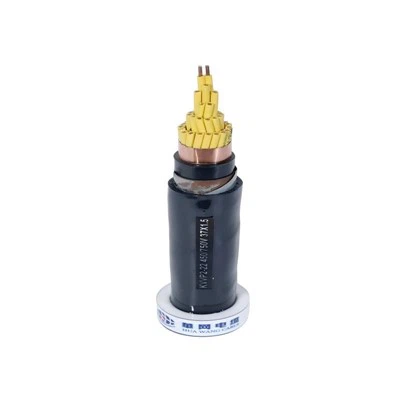

As a supplier of PVC Twisted Pair Wire, I understand the importance of optimizing the performance of this product. In this blog, I will share some key strategies and techniques to enhance the performance of PVC Twisted Pair Wire, which can be beneficial for various applications, from telecommunications to networking.
Understanding the Basics of PVC Twisted Pair Wire
PVC Twisted Pair Wire consists of two insulated copper conductors twisted together. This twisting configuration helps to reduce electromagnetic interference (EMI) and crosstalk, which are common problems in electrical and communication systems. The PVC (Polyvinyl Chloride) insulation provides mechanical protection and electrical insulation, making it suitable for a wide range of environments.
Material Selection
The quality of the materials used in PVC Twisted Pair Wire is crucial for its performance. High - purity copper conductors are preferred as they offer low resistance, which is essential for efficient signal transmission. The copper should have a high conductivity rating, typically expressed in terms of International Annealed Copper Standard (IACS). A higher IACS value indicates better conductivity.
When it comes to the PVC insulation, it should have good dielectric properties. The dielectric constant of the PVC affects the capacitance of the wire, which in turn impacts the signal propagation speed. A lower dielectric constant generally leads to faster signal transmission. Additionally, the PVC should be resistant to environmental factors such as moisture, heat, and chemicals.
Twisting Ratio
The twisting ratio of the two conductors in a PVC Twisted Pair Wire is a critical factor in optimizing performance. The number of twists per unit length (usually per meter) determines how effectively the wire can reduce EMI and crosstalk. A higher twisting ratio generally results in better interference reduction. However, increasing the twisting ratio also increases the manufacturing cost and can make the wire more difficult to handle.
It is important to find the right balance based on the specific application requirements. For example, in high - speed data transmission applications, a higher twisting ratio may be necessary to ensure reliable signal transmission. On the other hand, for applications where cost is a major concern and the level of interference is relatively low, a lower twisting ratio may be sufficient.
Cable Design and Shielding
In some cases, additional shielding can be used to further enhance the performance of PVC Twisted Pair Wire. There are two main types of shielding: foil shielding and braided shielding.
Foil shielding consists of a thin layer of metallic foil wrapped around the twisted pair. It provides good protection against high - frequency EMI. Braided shielding, on the other hand, is made of a woven metal mesh. It offers better protection against low - frequency EMI and provides mechanical strength to the cable.


The choice between foil and braided shielding depends on the specific electromagnetic environment of the application. For example, in a data center where there are many electronic devices generating high - frequency interference, a combination of foil and braided shielding may be the best option.
Installation and Termination
Proper installation and termination of PVC Twisted Pair Wire are essential for optimal performance. During installation, the wire should be routed away from sources of electromagnetic interference, such as power cables and electrical equipment. It is also important to avoid sharp bends and kinks in the wire, as these can cause signal loss and increase the risk of crosstalk.
When terminating the wire, it is crucial to use high - quality connectors. The connectors should be properly crimped or soldered to ensure a secure electrical connection. Incorrect termination can lead to increased resistance, signal reflection, and reduced performance.
Testing and Quality Control
Regular testing and quality control are necessary to ensure that the PVC Twisted Pair Wire meets the required performance standards. Some of the key tests include:
- DC Resistance Test: This test measures the resistance of the conductors. A low and consistent resistance is an indication of good conductor quality.
- Capacitance Test: Capacitance affects the signal propagation speed. Measuring the capacitance of the wire helps to ensure that it is within the acceptable range.
- Attenuation Test: Attenuation refers to the loss of signal strength as it travels through the wire. A low attenuation value is desirable for efficient signal transmission.
Related Products
In addition to PVC Twisted Pair Wire, we also offer other related products such as Single Core Sheathed Cable, Sheathed Flexible Cable, and Silicone Rubber Wire. These products can be used in conjunction with PVC Twisted Pair Wire to meet different application requirements.
Conclusion
Optimizing the performance of PVC Twisted Pair Wire requires a comprehensive approach that includes material selection, proper design, installation, and quality control. By following the strategies and techniques outlined in this blog, you can ensure that your PVC Twisted Pair Wire provides reliable and efficient performance in various applications.
If you are interested in purchasing PVC Twisted Pair Wire or any of our other products, please feel free to contact us for more information and to discuss your specific requirements. We are committed to providing high - quality products and excellent customer service.
References
- Grob, Bernard. "Grob's Basic Electronics." McGraw - Hill Education, 2017.
- Neufeld, David. "Telecommunications Cabling Installation and Maintenance." Cengage Learning, 2016.