An access control system is only as reliable as the connections between its devices. A card reader may communicate with the controller correctly, and an electronic lock may operate as expected, but unsuitable wiring can still lead to intermittent signals, voltage drop, difficult troubleshooting or installation delays.
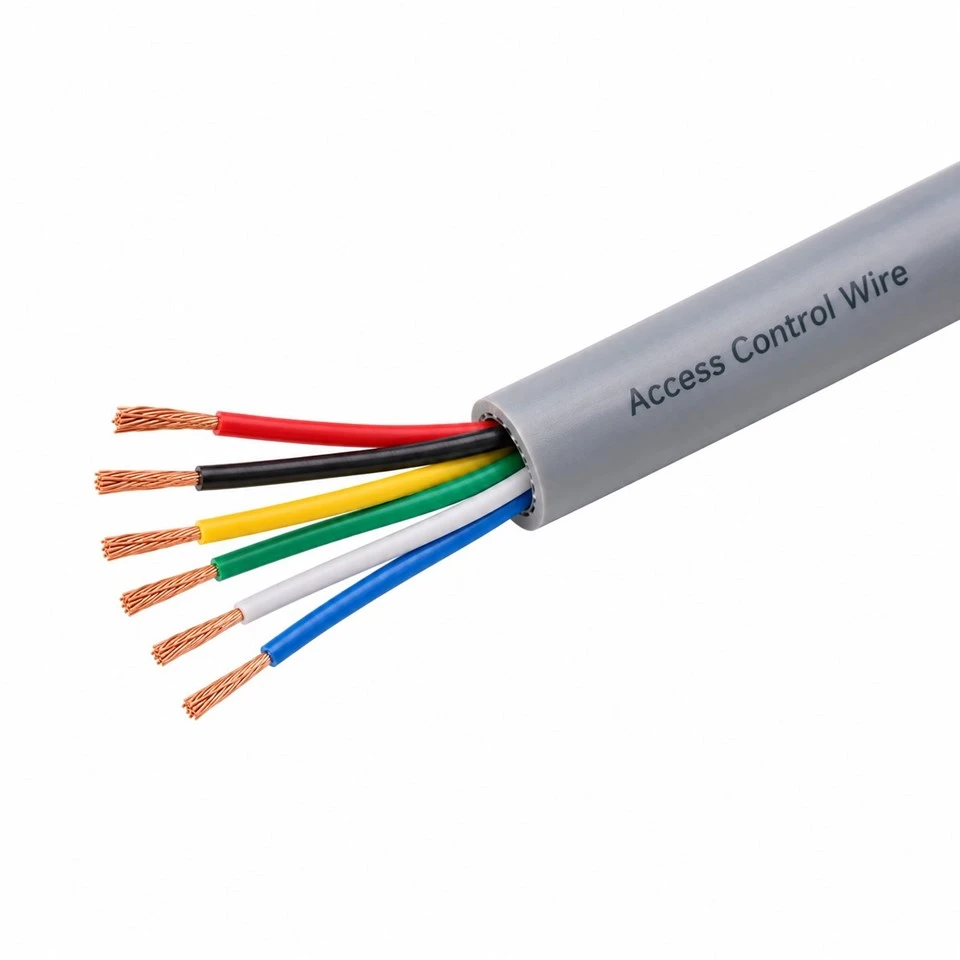
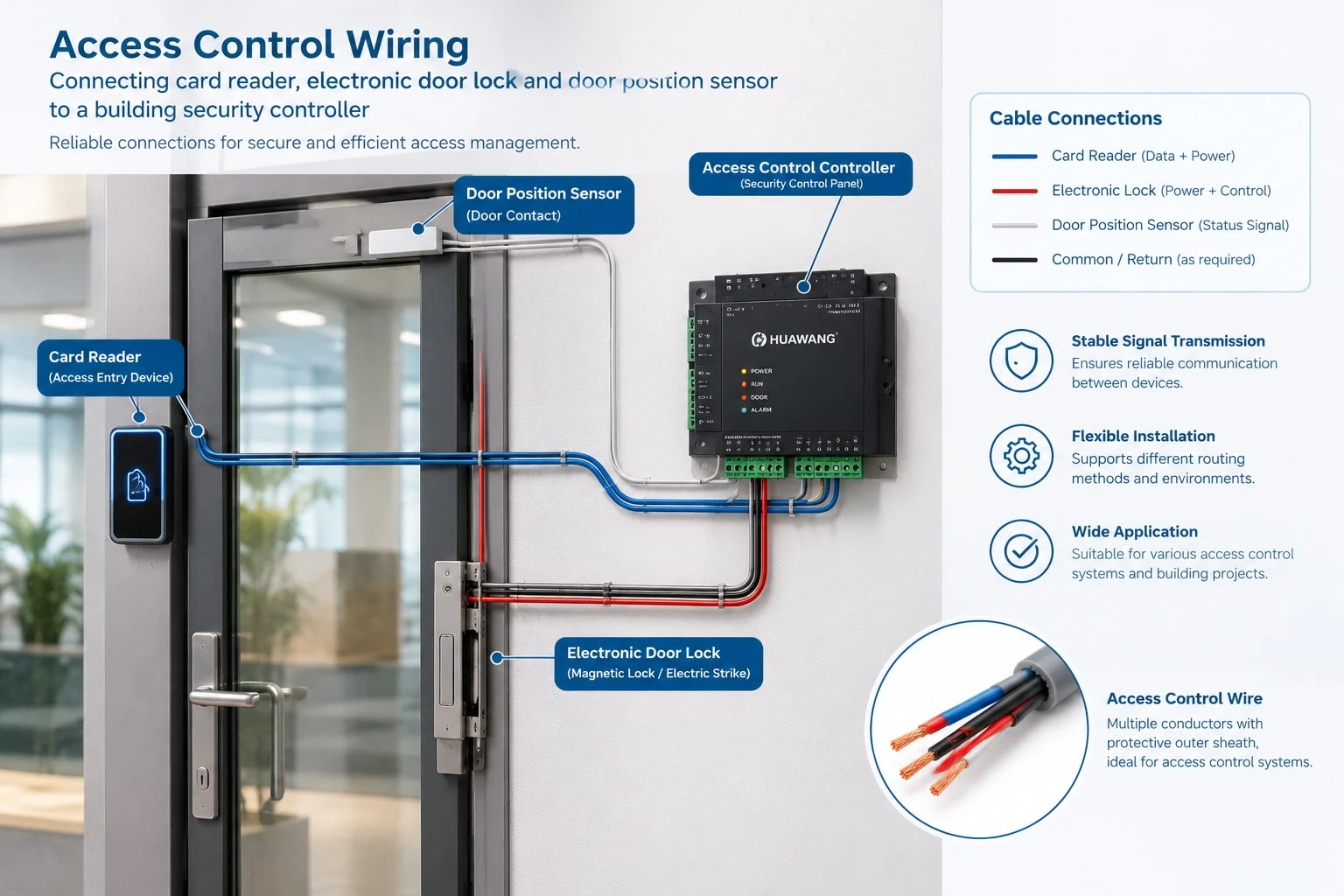
Access control wire is used to connect compatible components in electronic door entry and access management systems. Depending on the system design, the wiring may serve card readers, keypads, electric strikes, electromagnetic locks, door position contacts, request-to-exit buttons and access control panels.
There is no single wire construction that suits every access control installation. Reader communication, lock power, door status monitoring and network communication can have different electrical and transmission requirements. Choosing the right cable begins with identifying the devices being connected and the function of each circuit.

What Is Access Control Wire?
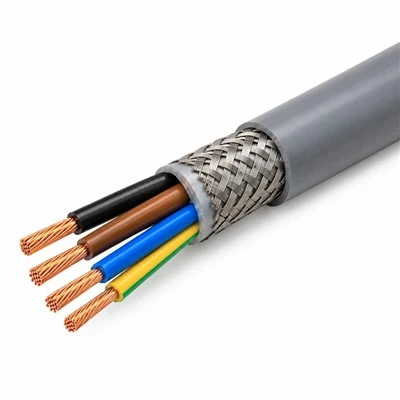
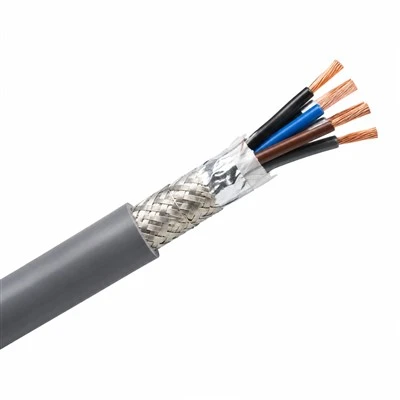
Access control wire is a general term for wire or cable used to connect devices in an electronic access control system. The product may contain one or multiple insulated conductors, depending on the application. Some constructions may also include an overall shield or other protective layers when the electrical or installation requirements call for them.
In a typical door access system, the controller processes authorization information and coordinates connected devices. Wiring provides the required paths for power, control signals, status inputs or communication. The cable construction must match the function of the circuit rather than simply the physical location of the device.
For example, a door contact may use a simple monitored circuit, while a card reader may require separate power and data connections. An electromagnetic lock may draw considerably more current than a low-power status input. These circuits should not automatically be assigned the same conductor size or cable type.
The term access control wire describes an application category rather than a complete technical specification. Before ordering, confirm the required conductor count, cross-sectional area, rated voltage, insulation, sheath, shielding and applicable installation requirements.
Where Is Access Control Wire Used?
1. Card Readers and Keypad Entry Devices
Card readers and keypad readers are installed at entrances to offices, commercial buildings, industrial facilities and restricted areas. Depending on the reader and access control architecture, the wiring may carry power, data or control signals between the reader and its associated controller.
Different reader technologies use different connection arrangements. Some systems use dedicated data conductors, while others use a defined communication interface or network connection. The cable should therefore be selected from the reader manufacturer's wiring diagram and installation specification.
For readers using a specified communication interface, verify cable requirements such as conductor configuration, transmission characteristics, permitted distance and shielding. A generic access control wire should not be substituted for a protocol-specific cable without checking compatibility.
2. Electric Door Strikes and Electromagnetic Locks
Electronic locking devices require wiring appropriate to their operating voltage and current. Electric strikes and electromagnetic locks can have different electrical characteristics, so the conductor size and circuit design should be checked against the lock's documentation.
Voltage drop becomes particularly important on longer cable runs. A lock may receive a lower voltage than expected if the conductors are undersized for the current and distance. This can contribute to unreliable operation, especially when the lock is energized or when the installation has additional connection resistance.
For lock circuits, calculate or verify voltage drop using the actual load, conductor resistance, cable length and wiring arrangement. Also confirm whether the system uses a separate power supply and whether the lock circuit requires a particular fire-alarm release or emergency egress arrangement under the applicable building and life-safety requirements.
3. Door Position Sensors and Magnetic Contacts
Door position sensors and magnetic contacts allow an access control panel to monitor whether a door is open or closed. Their wiring is commonly associated with status monitoring rather than directly powering a high-current load.
These circuits may have different conductor requirements from those used for electronic locks. Installation planning should also account for cable routing around the door frame, hinge area and moving door components. Abrasion, pinching and repeated bending can damage an otherwise electrically suitable cable.
Where wiring passes through a moving door or flexible transition, confirm the cable's suitability for that movement and use the appropriate protective hardware.
4. Request-to-Exit Buttons and Exit Devices
Request-to-exit buttons and related devices send a signal to the access control system when a user requests to leave. Depending on the system design, the circuit may be connected to a controller input or an interface device.
The wiring should follow the device's contact arrangement and the controller's input requirements. Where the exit device is part of a regulated emergency egress system, cable selection and installation must comply with the applicable project specification and local regulations.
5. Access Control Panels and Door Controllers
Access control panels consolidate connections from readers, locks, door contacts and other field devices. A multi-door installation may require several cable types, each selected for its own circuit function.
Keeping power circuits, low-level signals and communication links properly identified can simplify commissioning and future maintenance. Where the design specifies separate cable types, using one general-purpose wire for every connection may create avoidable electrical or compliance problems.
6. Commercial Buildings and Industrial Security Systems
Access control systems are used in office entrances, warehouses, factories, laboratories, equipment rooms and other locations where entry must be managed. Wiring routes may pass through wall cavities, conduits, ceiling spaces, equipment enclosures or designated cable pathways.
The installation environment matters. A cable routed inside a protected building space has different exposure from one installed outdoors or near machinery, cleaning chemicals or potential mechanical damage. Where outdoor use, UV exposure, moisture resistance, low-smoke performance or additional mechanical protection is required, verify that the selected cable construction is specifically suitable.
How to Choose the Right Access Control Wire
Conductor Count and Circuit Function
Begin with a connection schedule listing each device, its function and the conductors required. Reader power, data, lock power, door status and exit-request circuits may need different cable configurations.
Do not select a cable solely because it has the same number of conductors as an existing installation. Two cables with the same core count may differ in conductor size, insulation, shielding and electrical characteristics. The complete specification must match the intended circuit.
Conductor Size and Voltage Drop
Conductor cross-sectional area affects resistance and voltage drop. For electronic locks and other powered devices, the correct size depends on the operating current, cable length, supply voltage, allowable voltage drop and installation conditions.
For a long route to an electric lock, a cable selected only for the number of cores may be inadequate. Check the lock manufacturer's minimum operating voltage and the voltage available at the device under the relevant load conditions. Where multiple locks share a supply, evaluate the actual circuit arrangement rather than assuming each branch has identical requirements.
Shielding and Signal Compatibility
Some access control circuits may benefit from screened cable, while others require a defined cable type specified by the communication interface or equipment manufacturer. Shielding requirements depend on the signal, installation environment, cable routing and grounding arrangement.
Where a shield is required, verify its construction and the recommended termination method. Shielding is not a substitute for correct cable selection, suitable separation from interference sources or compliance with the device manufacturer's wiring instructions.
For installations with explicit screening requirements, compare the relevant construction with Huawang Cable's shielded control cable range. Confirm that the selected product is suitable for the specific access control circuit before specifying it.
Insulation and Outer Sheath
The insulation and outer sheath must be compatible with the operating voltage, installation temperature and surrounding environment. Different sheath materials have different resistance to abrasion, moisture, chemicals, sunlight and other environmental conditions.
For indoor building wiring, follow the cable and building specification. For outdoor readers, perimeter gates or exposed security equipment, verify weather and UV suitability rather than assuming that an indoor cable can be installed outdoors.
Where the project specifies low-smoke or halogen-free cable materials, review the relevant LSZH control cable options and confirm that the exact product meets the required performance criteria.
Fixed Wiring and Moving Door Sections
Most access control installations include fixed cable routes, but some connections must cross a moving door, hinge or other mechanical transition. A cable suitable for a fixed route may not be suitable for repeated bending.
Check the installation method, bending radius, expected movement and required service life. Where the cable experiences repeated movement, select a construction designed and rated for that duty, and use suitable door loops or protective transition hardware where specified.
Applicable Codes and System Requirements
Access control wiring may be affected by building codes, fire and life-safety requirements, security system specifications and the instructions provided by the equipment manufacturer. Requirements can differ by country, building type and system function.
Before purchasing, identify any mandatory cable classification, fire-performance requirement, approval or installation rule. Do not assume that a general-purpose access control wire is approved for emergency egress circuits, fire alarm systems or every building installation.
Access Control Wire Selection Guide
| Application | Key selection factor | What to verify |
|---|---|---|
| Card reader | Power and communication requirements | Reader wiring diagram, interface and permitted cable type |
| Electric strike | Load current and cable length | Conductor size, voltage drop and operating voltage |
| Electromagnetic lock | Power delivery and release arrangement | Lock specifications, supply capacity and applicable egress requirements |
| Door contact | Status circuit and routing | Contact arrangement, conductor count and mechanical protection |
| Request-to-exit device | Controller input compatibility | Device wiring, input configuration and project requirements |
| Outdoor gate or reader | Environmental exposure | UV resistance, moisture protection, temperature and routing |
| Communication interface | Transmission characteristics | Specified cable type, interface requirements and permitted distance |
Technical Parameters to Confirm Before Ordering
Access control wire is an application-based product category, so the technical specification should identify the exact construction required. The following fields help buyers prepare an accurate enquiry.
| Parameter | Required information |
|---|---|
| Product construction | Number of conductors and overall cable arrangement |
| Conductor material | Confirm copper or another specified material |
| Conductor size | Required cross-sectional area or wire gauge |
| Conductor class | Solid or stranded construction and relevant class |
| Rated voltage | Value stated in the approved product datasheet |
| Insulation | Material and required electrical or temperature properties |
| Outer sheath | Material and required environmental resistance |
| Shielding | Whether screening is required and the specified construction |
| Communication requirements | Any interface-specific cable characteristics or standard |
| Applicable standards | Project specification, local code and required approvals |
| Packaging and supply | Required length, quantity, reel or coil format and destination |
The table is a specification checklist, not a statement of confirmed Huawang product values. Actual conductor sizes, voltage ratings, materials, standards and available configurations should be inserted only after confirmation against the relevant product datasheet.
Installation Practices That Help Avoid Common Problems
Correct installation is especially important when wiring is shared across several access control functions. The following practices can help reduce avoidable commissioning and maintenance issues.
- Label each circuit: identify reader, lock, contact and exit-request wiring at both ends according to the project documentation.
- Check lock voltage under load: verify that the supply and cable arrangement deliver the required voltage at the device.
- Follow the wiring diagram: do not assume that similarly named readers or locks use identical terminal assignments.
- Protect the route: prevent cable crushing, abrasion, sharp bends and damage at enclosure entries.
- Separate circuits when required: follow system instructions and applicable rules for routing power, signal and communication cables.
- Test before handover: verify continuity, correct termination and required electrical performance using the approved commissioning procedure.
Quality Inspection and Product Documentation
For B2B security system projects, product evaluation should be based on verifiable specifications and relevant documentation. Depending on the selected construction and purchase requirements, buyers may request conductor dimensions, resistance data, cable dimensions, material information, test reports or other technical records.
If a project requires a particular certification or fire-performance classification, state the requirement before ordering and verify that the exact product offered is covered by the relevant documentation. A generic factory or laboratory photograph is not proof that a specific cable has passed a particular test.
Packaging and Supply Considerations
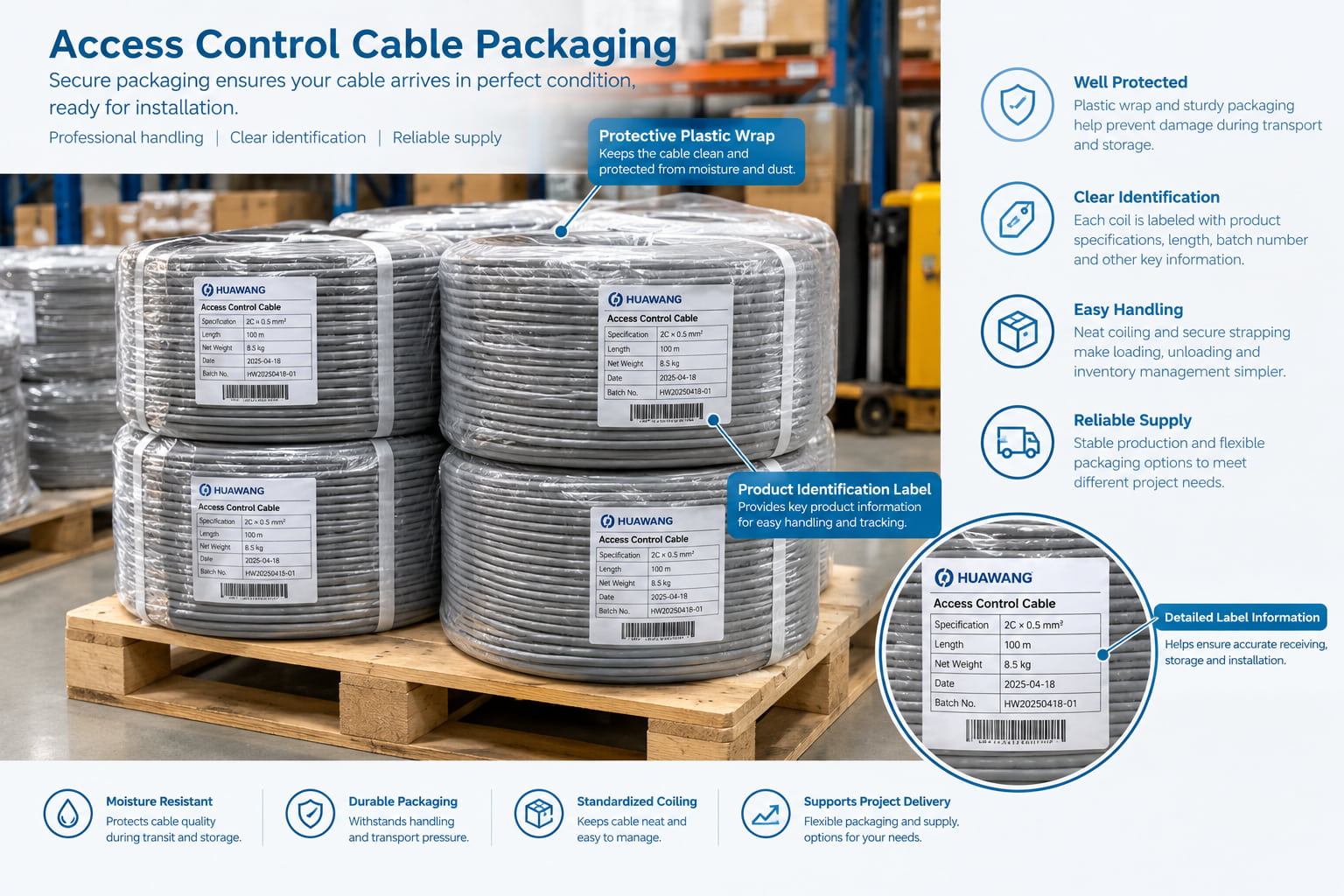
Access control installations often involve multiple doors, reader types and lock circuits. Clear cable identification and packaging information can help installers allocate the correct cable to each route and reduce confusion during site work.
When preparing a purchase order, specify the required construction, conductor size, total length, preferred reel or coil format, identification requirements and delivery destination. For larger projects, an itemized cable schedule can help distinguish different circuit functions and reduce the risk of ordering the wrong configuration.
Actual packaging methods, available lengths, minimum order quantities and lead times should be confirmed with Huawang Cable for the specific product and order.
Frequently Asked Questions About Access Control Wire
What is access control wire used for?
It connects compatible devices in electronic entry systems, including card readers, electronic locks, door contacts, exit buttons and access control panels. The required cable construction depends on each circuit's electrical and communication requirements.
Can one type of access control wire be used for every device?
Not necessarily. Reader communication, lock power and door status circuits can have different conductor, transmission and environmental requirements. Select each cable according to the equipment documentation and project specification.
What wire is needed for an electromagnetic door lock?
The correct wire depends on the lock's operating voltage, current, cable length, allowable voltage drop and installation method. Verify these values using the lock manufacturer's documentation and the actual wiring design.
Does access control wire need shielding?
Some applications require shielded cable, while others do not. The decision depends on the interface, signal type, interference environment and equipment manufacturer's requirements. Use a specified cable type for communication circuits where required.
Can access control wire be installed outdoors?
Only if the cable construction is suitable for the expected exposure. Confirm UV resistance, moisture protection, temperature limits, mechanical protection and any applicable installation rules before using a cable outdoors.
What information should be included in an access control wire enquiry?
Provide the intended device or circuit, conductor count, conductor size, rated voltage, insulation and sheath requirements, shielding needs, applicable standards, required quantity, packaging preference and delivery destination. A wiring diagram or device datasheet can help clarify technical requirements.
Choosing suitable access control wire starts with understanding the function of each circuit, the devices being connected and the installation environment. A well-defined specification helps installers achieve reliable connections, makes troubleshooting easier and allows buyers to compare cable options on a like-for-like basis.
Hot Tags: access control wire manufacturer、access control cable、door access control wire、electric door lock wire、access control system wiring、access control reader cable、security system wire、access control wiring cable, cable control, electrical control cable, fire control cable, Fire Rated Control Cable, PVC Insulated Control Cable, signal control cable