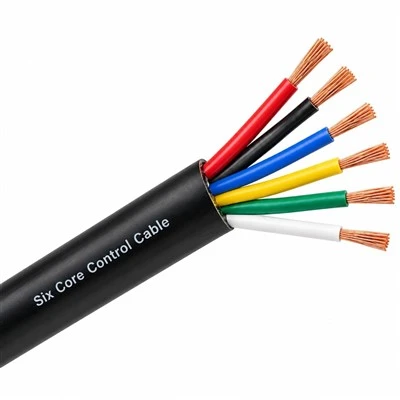
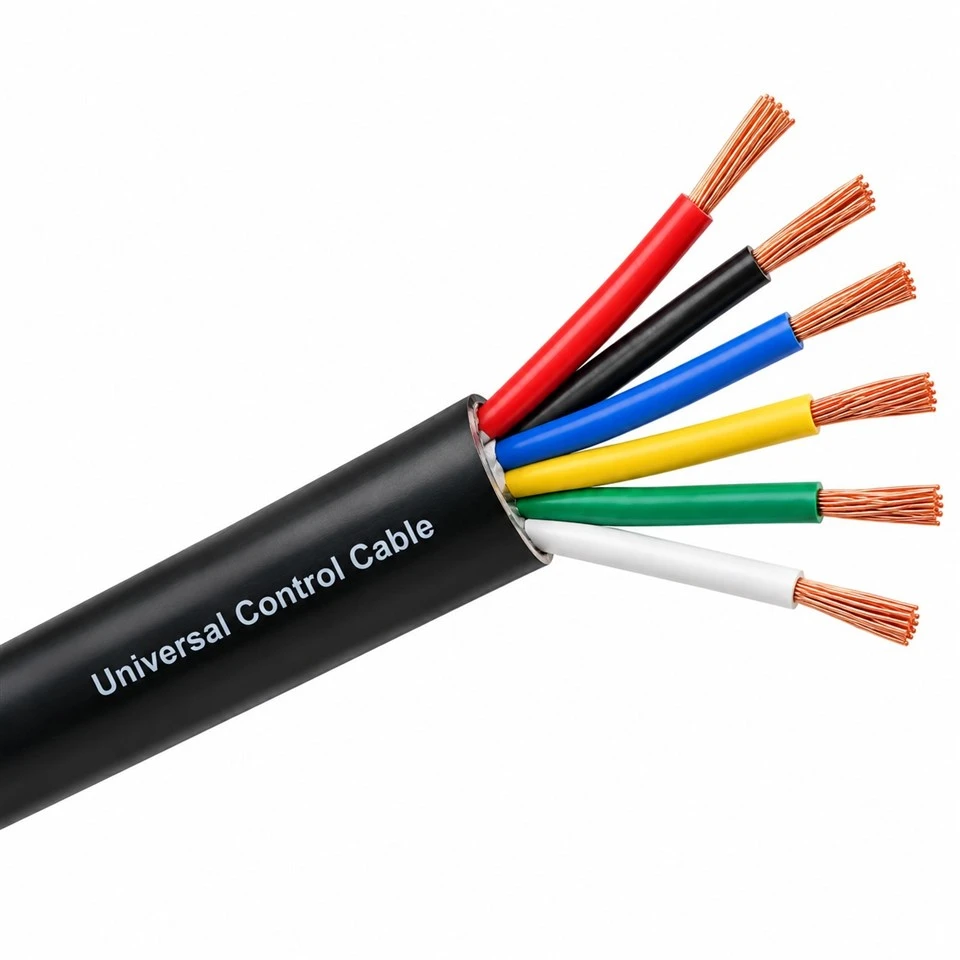
A control cable used in one machine may also be suitable for another, provided that the electrical requirements, installation conditions and cable construction are compatible. This is the practical idea behind a universal control cable: a versatile cable solution for transmitting control signals between electrical control equipment and field devices across a range of industrial applications.
For machinery builders, electrical contractors and industrial distributors, a general-purpose control cable can simplify product selection and inventory management. Instead of specifying a completely different cable for every machine, buyers can evaluate a suitable cable construction against the requirements of multiple installations. The key is to understand which requirements can be shared and which still need a dedicated cable design.
Huawang Cable supplies cable solutions for industrial electrical applications. The appropriate universal control cable construction should be selected according to the required conductor configuration, rated voltage, installation method, mechanical demands and operating environment.
What Is a Universal Control Cable?
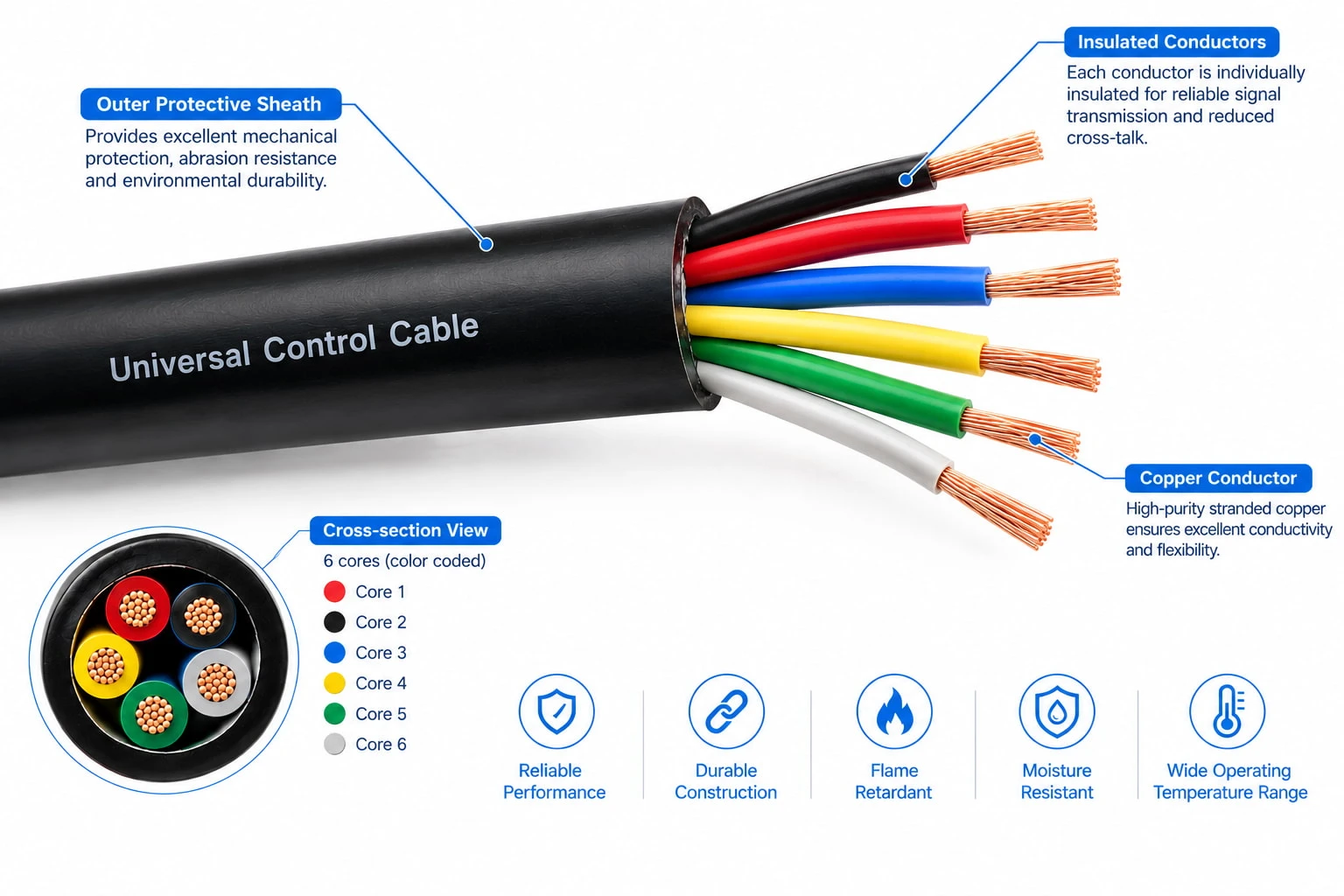
A universal control cable is a general-purpose control cable intended for use in different electrical control and machinery applications where the same basic cable construction meets the installation requirements. It commonly connects control panels, terminal blocks, relays, sensors, actuators and other electrical components that exchange control or status signals.
Unlike a product defined by a single specialist feature, such as a high-temperature control cable or a shielded control cable, the term universal control cable emphasizes application versatility. However, it does not identify one standardized construction by itself. The actual performance depends on the cable's conductor material and class, insulation, number of cores, screening arrangement if required, outer sheath and applicable product standard.
For example, a cable used for fixed wiring inside a machine may have different flexibility requirements from one routed through a moving equipment assembly. Likewise, a cable running beside a variable-frequency drive may require a different interference-control strategy from one carrying low-speed signals in a relatively quiet electrical environment.
Buyers should therefore treat "universal" as a description of intended versatility, not as proof that every cable can be used in every installation.
Where Is Universal Control Cable Used?
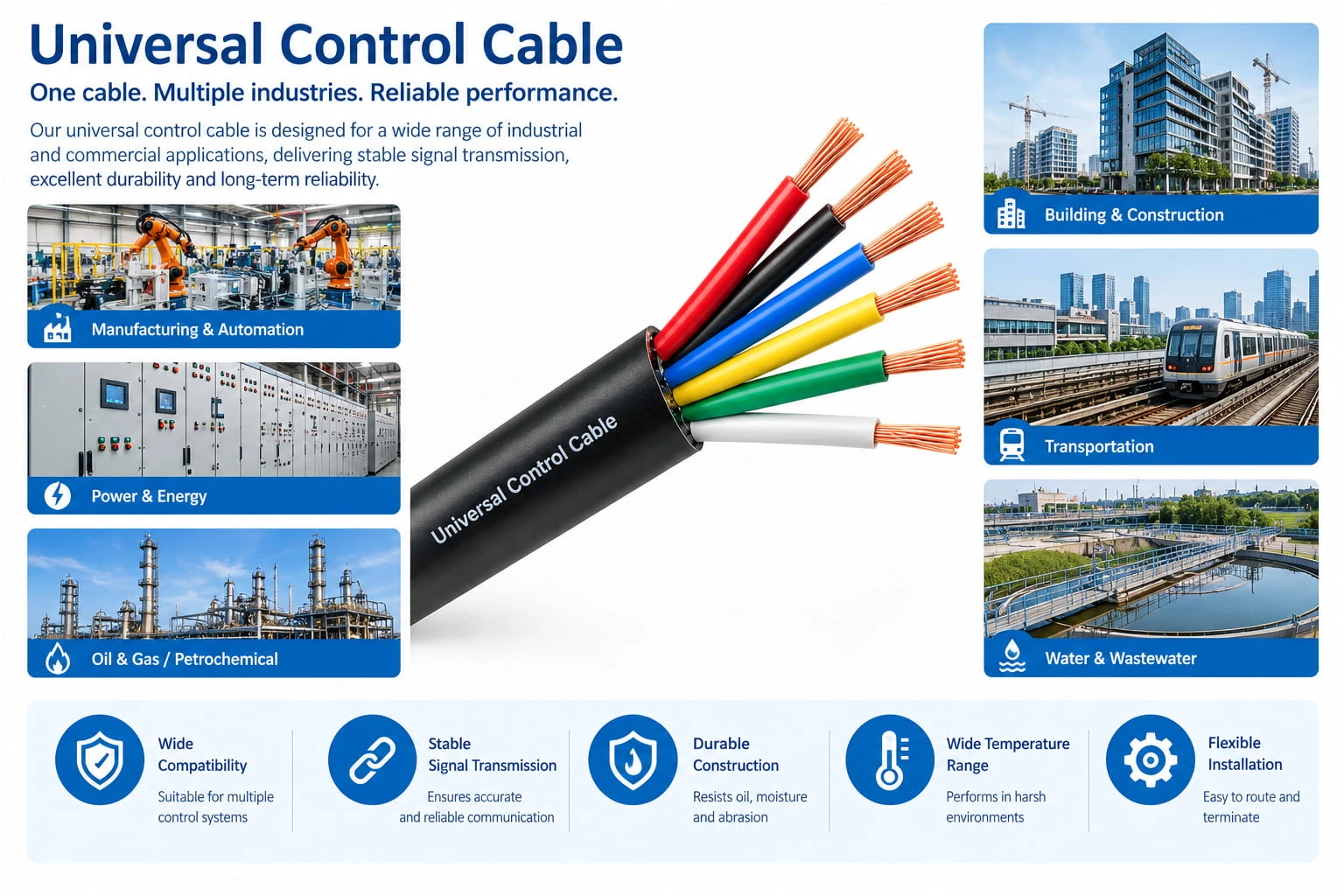
The broad value of a universal control cable is its potential to serve recurring control-wiring needs across different industries. The following applications are relevant when the selected cable construction meets the site's electrical and environmental requirements.
1. Industrial Automation and Control Panels
Automation systems rely on dependable connections between control cabinets and field devices. Control cables can carry signals associated with push buttons, limit switches, relays, contactors, sensors and actuators. In an automated production line, they may connect individual machines to local control panels or link equipment-level control circuits.
When selecting a cable for automation equipment, engineers should distinguish ordinary control signals from communication circuits, encoder feedback and other signals with specific transmission requirements. A general-purpose control cable should not automatically be substituted for a cable designed for a particular data protocol or signal characteristic.
For applications exposed to electrical interference, review whether a screened construction is required. Huawang's shielded control cable range provides a relevant comparison when evaluating screening requirements.
2. Industrial Machinery and Machine Tools
Machine builders use control wiring to connect operating controls, safety-related components, position switches, solenoid valves and other electrical devices. A suitable general-purpose cable may be used within machine enclosures, between control panels and stationary equipment, or along protected cable routes.
The important distinction is whether the cable remains stationary or experiences repeated movement. A cable that performs well in a fixed installation may not withstand continuous flexing, torsion or repeated bending in a moving machine. For dynamic applications, confirm the required bending radius, conductor class, flexing life and any manufacturer-specified movement limits before choosing a product.
Where repeated movement is a primary design requirement, compare the application with a dedicated flexible control cable rather than relying on the word "universal" alone.
3. Packaging, Conveying and Material Handling Equipment
Packaging machines, conveyor systems, sorting equipment and warehouse machinery use electrical controls to coordinate motors, switches, sensors and actuators. These systems often contain multiple control circuits distributed across different sections of a machine.
A universal control cable can be a practical option for suitable stationary connections where the required number of cores and conductor sizes are available. In conveyor installations, however, cable routing deserves particular attention. Connections near rollers, articulated sections or moving carriers may be exposed to vibration, abrasion or repeated bending.
Where cables are installed in trays or ducts, check tray fill, support spacing, separation from power circuits and the cable's permitted installation conditions. These factors affect installation reliability even when the cable's electrical characteristics are otherwise suitable.
4. HVAC and Building Equipment
Heating, ventilation and air-conditioning systems use control wiring for equipment status, switching, monitoring and connections between control panels and field components. Depending on the system design, cables may be installed around air-handling equipment, pumps, dampers and other building services machinery.
Before specifying a general-purpose control cable, establish whether the circuit is a conventional control circuit, a building-automation communication link or part of a fire alarm or other regulated system. These applications can have different wiring, fire-performance and installation requirements. A general-purpose cable is not automatically an acceptable substitute for a cable required by a project specification or local code.
5. Pumps, Water Treatment and Process Equipment
Pump skids, filtration systems and process equipment use control circuits for level switches, pressure switches, valve actuators and equipment status signals. In these environments, cable selection depends not only on electrical requirements but also on the location of the cable route.
A cable installed inside a dry control cabinet has a different exposure profile from one routed near chemical dosing equipment, washdown areas or outdoor process units. Check the actual chemical exposure, moisture conditions, ambient temperature and mechanical protection requirements. The sheath material must be suitable for the intended environment, and additional protection may be needed where the cable could be damaged.
6. General Industrial Electrical Installations
Universal control cables may also be considered for auxiliary control wiring in manufacturing facilities, workshops and equipment packages. Examples include connections between terminal boxes and control panels, status circuits, switching circuits and other low-power control applications compatible with the cable rating.
For projects with specified fire behavior, low-smoke requirements, electromagnetic compatibility criteria or mechanical protection needs, select the corresponding construction instead of assuming that a general-purpose product covers every requirement. Huawang's control cable range can be used to compare different cable constructions for these applications.
How to Select the Right Universal Control Cable
Choosing a cable for multiple applications requires more than matching a product name. The following factors help determine whether a general-purpose construction is appropriate for a particular project.
Core Count and Conductor Cross-Section
The number of cores should match the circuit design, including required control signals, common or return conductors where applicable, and any spare cores specified by the project. The conductor cross-section must be selected according to current, circuit length, allowable voltage drop, installation conditions and the relevant electrical design rules.
Do not assume that every control circuit needs the same conductor size. A short connection to a low-current sensor and a longer circuit operating a control device may have different requirements. Where several circuits share a multicore cable, also consider how the cores will be assigned, identified and terminated during installation and maintenance.
Conductor Flexibility and Installation Method
Conductor class and cable construction should match the installation. Fixed wiring, occasional repositioning and continuous movement are different service conditions. If a cable is expected to flex repeatedly, the manufacturer should confirm that its construction is suitable for the intended motion, bend radius and service life.
For a stationary machine installation, a general-purpose cable may be sufficient if its rating and construction meet the design requirements. For drag chains, robotic equipment or continuously moving assemblies, use a cable specifically designed and rated for that duty.
Shielding and Electromagnetic Interference
Not every control circuit requires a shield. Screening decisions depend on the signal type, electrical noise in the surrounding installation, cable routing and the equipment manufacturer's requirements. Cables carrying sensitive analogue signals or installed near switching equipment may need a different approach from ordinary discrete control circuits.
Where screening is required, specify the appropriate shield type and termination method. Shielding effectiveness depends on the complete installation, including bonding, grounding practice and separation from interference sources. Adding a shield alone does not guarantee immunity from electrical noise.
Insulation, Sheath and Environmental Conditions
The insulation and outer sheath should be suitable for the operating voltage, temperature range, installation environment and mechanical exposure. PVC-based constructions are commonly considered for general industrial wiring, but the exact material grade and permitted temperature range must be confirmed for the selected product.
Where the cable may encounter oils, cleaning agents, ultraviolet exposure, moisture, extreme temperatures or fire-performance requirements, check the relevant material and test specifications. A product intended for general indoor use should not be presumed suitable for every outdoor or harsh industrial environment.
Rated Voltage and Applicable Standards
Verify the required rated voltage and applicable cable standard before ordering. The project specification, local electrical code and equipment documentation may impose requirements that are not apparent from the product name. Confirm any required approvals or declarations with the supplier rather than assuming that a universal control cable has a particular certification.
Universal Control Cable vs. Specialized Control Cables
The most useful comparison is not which cable is universally better, but which construction matches the installation. A general-purpose cable can simplify procurement when requirements are consistent; a specialized cable is appropriate when a particular environmental or electrical condition demands it.
| Cable type | Main selection consideration | When to evaluate it |
|---|---|---|
| Universal control cable | General control-wiring requirements and overall installation compatibility | Suitable machinery and industrial control circuits that do not require a special construction |
| Flexible control cable | Conductor class, bending radius and movement duty | Installations requiring greater flexibility or specified movement capability |
| Shielded control cable | Signal integrity and electromagnetic compatibility | Circuits requiring screening due to signal characteristics or electrical noise |
| Steel tape armoured cable | Mechanical protection and installation conditions | Installations where the specified armour construction is appropriate for the expected mechanical exposure |
| LSZH control cable | Smoke and halogen requirements under specified conditions | Projects requiring low-smoke, halogen-free cable materials and the relevant verified performance |
| High-temperature control cable | Specified operating temperature and insulation system | Applications where normal general-purpose cable temperature limits are insufficient |
These categories are not necessarily mutually exclusive. A cable may combine flexibility and screening, for example, or include other construction features. The final specification should describe the required properties rather than relying on a category name alone.
What Information Should Buyers Provide When Requesting a Quote?
A clear technical request helps reduce the risk of selecting a cable that fits the description but not the actual installation. For a universal control cable enquiry, buyers should provide as much of the following information as is available:
- Electrical requirements: rated voltage, circuit type and any applicable project or equipment standards.
- Conductor configuration: number of cores, conductor cross-section, copper or other specified conductor material, and conductor class.
- Cable construction: insulation and sheath material, and whether screening or armour is required.
- Installation method: fixed installation, cable tray, conduit, equipment enclosure or moving machinery.
- Operating environment: ambient temperature, moisture, oil or chemical exposure, sunlight and expected mechanical stress.
- Commercial requirements: required length, cut lengths or reel lengths, packaging, delivery destination and target delivery schedule.
If some details are not yet available, a wiring diagram, equipment specification or existing cable marking can help establish the initial requirements. The final cable construction should be confirmed against the intended use before production and installation.
Universal Control Cable: Frequently Asked Questions
What does universal control cable mean?
It generally describes a control cable intended for a range of compatible industrial and electrical control applications. The term alone does not define a single construction, voltage rating, conductor size or certification. Those details must be specified separately.
Can universal control cable be used in different industries?
Yes, a suitable construction may be used across industries such as manufacturing, automation, packaging, material handling, HVAC and process equipment. Suitability depends on the circuit requirements, installation method, environmental exposure and applicable regulations.
Is universal control cable always shielded?
No. Shielding is a construction option determined by the electrical environment and signal requirements. If the installation has significant electromagnetic interference or the connected equipment requires a shield, specify a suitable screened cable and confirm the correct termination method.
Can universal control cable be used for moving machinery?
Only when the cable is designed and rated for the expected movement. Ordinary fixed-installation cable should not be assumed suitable for continuous flexing, torsion or drag-chain service. Confirm the manufacturer's movement and bending specifications before use.
Is universal control cable suitable for outdoor installation?
Not automatically. Outdoor suitability depends on the sheath material, ultraviolet resistance, moisture exposure, temperature range, installation method and any additional mechanical protection. Check the selected product's documented environmental ratings before specifying it outdoors.
How do I choose the correct core count and conductor size?
Start with the circuit diagram and list the required signals and connections. Select the core count to match the wiring plan, then determine conductor size based on current, circuit length, voltage drop, installation conditions and applicable design rules. Any spare cores should be included according to project requirements.
What should be confirmed before ordering universal control cable?
Confirm the cable's rated voltage, conductor configuration, insulation and sheath materials, conductor class, screening or armour requirements, applicable standards, operating environment, quantity and delivery requirements. Any mandatory approvals should also be stated explicitly.
Universal control cable is most useful when it provides a dependable, practical solution for common control-wiring requirements without adding unnecessary construction features. Matching the cable to the actual circuit and installation conditions helps buyers standardize suitable products while avoiding costly substitutions that may not perform as expected.
Hot Tags: universal control cable manufacturer、general purpose control cable、industrial control cable、multicore control cable、control cable for machinery、electrical control cable、control cable for automation、control cable applications, copper control cable, Copper Tape Shielded Cable, Fire Resistant Control Cable, low voltage control wire, LSZH Flexible Cable, PVC Insulated Control Cable