
Can LSZH Flexible Cable be used in audio - visual equipment?
As a supplier of LSZH (Low Smoke Zero Halogen) flexible cables, I am often asked whether these cables can be used in audio - visual equipment. In this blog, I will explore this question in detail, looking at the characteristics of LSZH flexible cables, the requirements of audio - visual equipment, and the potential benefits and limitations of using LSZH flexible cables in this context.


Characteristics of LSZH Flexible Cables
LSZH flexible cables are known for several key features. Firstly, the "Low Smoke" aspect means that in the event of a fire, these cables emit a significantly lower amount of smoke compared to traditional cables. This is crucial in environments where visibility is essential for evacuation, such as in large auditoriums, theaters, or public spaces where audio - visual equipment is commonly used.
The "Zero Halogen" characteristic is equally important. Halogens, when burned, can release toxic and corrosive gases. LSZH cables do not contain halogens, so in case of a fire, there is no release of these harmful substances. This not only protects the people in the vicinity but also reduces damage to the surrounding equipment.
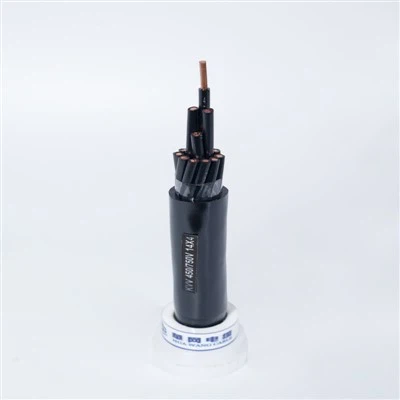
Flexibility is another notable feature. LSZH flexible cables are designed to be easily bent and routed, which is very useful when installing audio - visual equipment. They can be maneuvered around corners, through tight spaces, and into complex setups without breaking or losing their performance.
Requirements of Audio - Visual Equipment
Audio - visual equipment has specific requirements when it comes to cables. For audio, the cable needs to have low signal loss to ensure high - quality sound transmission. Any interference or distortion in the signal can result in poor audio quality, such as static, hissing, or uneven frequency response.
In the case of visual equipment, cables need to support high - speed data transfer. For example, HDMI cables are used to transmit high - definition video signals. These cables must be able to handle large amounts of data quickly and accurately to display clear and sharp images.
Reliability is also a key requirement. Audio - visual equipment is often used in critical settings, such as live events, corporate presentations, or home theaters. A cable failure can disrupt the entire event or viewing experience. Therefore, cables need to be durable and able to withstand repeated use and movement.
Benefits of Using LSZH Flexible Cables in Audio - Visual Equipment
One of the main benefits is safety. As mentioned earlier, the low smoke and zero halogen properties of LSZH cables make them a safer choice, especially in public places where audio - visual equipment is installed. In the event of a fire, the reduced smoke emission allows for better visibility, and the absence of toxic gases protects both people and equipment.
The flexibility of LSZH cables makes installation easier. Audio - visual setups can be complex, with cables running through various channels and around obstacles. The ability to bend and route the cables easily saves time and effort during installation.
LSZH cables also have good electrical properties. They can provide stable signal transmission, which is essential for high - quality audio and video. The insulation materials used in LSZH cables are designed to minimize signal loss and interference, ensuring that the audio and video signals remain clear and accurate.
Limitations and Considerations
While LSZH flexible cables have many advantages, there are also some limitations to consider. One potential issue is cost. LSZH cables are generally more expensive than traditional PVC - insulated cables. This is due to the use of more advanced materials and manufacturing processes to achieve the low smoke and zero halogen properties.
Another consideration is the availability of specific cable types. Some audio - visual equipment may require specialized cables with unique specifications. While LSZH cables come in a variety of types, it may be necessary to ensure that the specific cable needed for a particular piece of equipment is available in an LSZH version.
Comparison with Other Cable Types
Let's compare LSZH flexible cables with some other common cable types used in audio - visual equipment.
PVC Insulated Control Cable is a widely used cable type. PVC cables are relatively inexpensive and have good electrical insulation properties. However, they emit a large amount of smoke and toxic gases when burned, which is a significant drawback in terms of safety. In contrast, LSZH cables offer better safety features at a higher cost.
Copper Tape Shielded Cable is often used to reduce electromagnetic interference. These cables have a copper tape shield that helps to protect the signal from external interference. LSZH flexible cables can also be designed with shielding to provide similar protection. The choice between the two may depend on the specific requirements of the audio - visual equipment and the level of interference in the environment.
KVVR Control Cable is a type of flexible control cable. It is known for its flexibility and durability. LSZH flexible cables share the flexibility aspect, but also offer the added safety benefits of low smoke and zero halogen.
Conclusion
In conclusion, LSZH flexible cables can be used in audio - visual equipment. Their safety features, flexibility, and good electrical properties make them a viable option for many applications. However, the higher cost and potential limitations in availability need to be considered.
If you are in the market for cables for your audio - visual equipment and are interested in the safety and performance benefits of LSZH flexible cables, I encourage you to reach out for a procurement discussion. We can help you determine the best cable solution for your specific needs, taking into account factors such as budget, equipment requirements, and installation environment.
References
- "Cable Handbook: Installation, Maintenance, and Testing" by R. D. Stieglitz
- "Electrical Engineering Handbook" edited by Richard C. Dorf