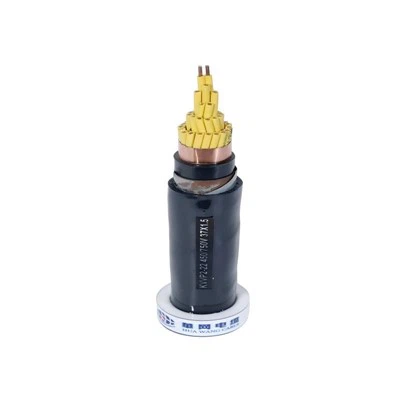

Hey there! As a supplier of Silicone Rubber Wire, I often get asked about the torsional strength of this type of wire. So, I thought I'd write a blog post to explain what it is, why it matters, and how it affects the performance of Silicone Rubber Wire.
First off, let's talk about what torsional strength actually means. Torsional strength refers to a material's ability to resist twisting forces without breaking or deforming. In the context of Silicone Rubber Wire, it's a crucial property because this wire is often used in applications where it needs to bend, twist, and flex repeatedly. Think about things like robotics, medical devices, and aerospace equipment – these are all places where Silicone Rubber Wire might be subjected to a lot of torsional stress.
So, why does torsional strength matter for Silicone Rubber Wire? Well, if the wire doesn't have good torsional strength, it can start to break down over time. This can lead to a whole host of problems, including electrical shorts, signal interference, and even complete failure of the device it's used in. That's why it's so important to choose a Silicone Rubber Wire with high torsional strength, especially if you're using it in a demanding application.
Now, let's take a closer look at what affects the torsional strength of Silicone Rubber Wire. There are a few key factors to consider:
Material Quality
The quality of the silicone rubber used to make the wire is one of the most important factors. High-quality silicone rubber will have better resistance to twisting and bending, which means it will have higher torsional strength. At our company, we use only the best-grade silicone rubber in our Silicone Rubber Wire to ensure maximum performance and durability.
Construction
The way the wire is constructed also plays a big role in its torsional strength. For example, wires with a stranded conductor are generally more flexible and have better torsional strength than solid conductors. This is because the individual strands can move and flex independently, which helps to distribute the twisting forces more evenly. Additionally, the insulation thickness and the way it's applied can also affect the wire's torsional strength.
Temperature
Temperature can have a significant impact on the torsional strength of Silicone Rubber Wire. Silicone rubber tends to become more brittle at low temperatures, which can reduce its ability to resist twisting. On the other hand, high temperatures can cause the rubber to soften and lose its shape, also affecting its torsional strength. That's why it's important to choose a Silicone Rubber Wire that's rated for the temperature range of your application.
Application
Finally, the specific application of the wire can also affect its torsional strength requirements. For example, if the wire is going to be used in a static application where it won't be twisted or bent very often, it may not need as high of a torsional strength as a wire used in a dynamic application where it will be subjected to constant movement.
So, how do you know if a Silicone Rubber Wire has good torsional strength? One way is to look at the manufacturer's specifications. Reputable manufacturers will usually provide information about the wire's torsional strength, along with other important properties like flexibility, temperature rating, and electrical conductivity. You can also ask for samples and test them yourself to see how they perform under twisting and bending.


At our company, we offer a wide range of Silicone Rubber Wire products with excellent torsional strength. Our wires are designed to meet the needs of a variety of applications, from simple household electronics to complex industrial machinery. Whether you're looking for a Single Core Flexible Wire for a small project or a high-performance Silicone Rubber Wire for a demanding application, we've got you covered.
In addition to Silicone Rubber Wire, we also offer PVC Twisted Pair Wire, which is another popular option for many applications. PVC Twisted Pair Wire is known for its good electrical performance and affordability, and it's often used in telecommunications, networking, and control systems.
If you're in the market for Silicone Rubber Wire or any other type of wire, I encourage you to get in touch with us. We'd be happy to discuss your specific needs and help you choose the right product for your application. Our team of experts is always available to answer your questions and provide you with the information you need to make an informed decision.
In conclusion, torsional strength is an important property to consider when choosing Silicone Rubber Wire. By understanding what affects torsional strength and how to evaluate it, you can ensure that you're getting a wire that will perform well and last for a long time. So, don't hesitate to reach out to us if you have any questions or need help with your wire selection. We're here to make your wiring projects a success!
References
- "Handbook of Electrical and Electronic Insulating Materials" by D. C. Srivastava
- "Silicone Rubber: Properties and Applications" by A. K. Bhowmick and H. L. Stephens