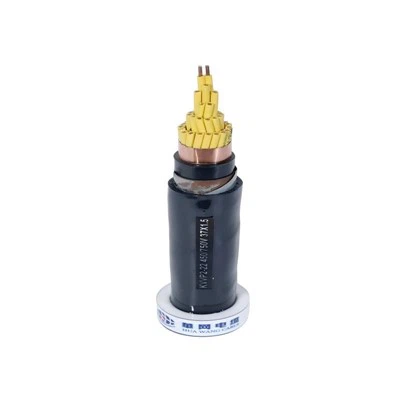

What is the Temperature Range for PVC Control Cable?
As a supplier of PVC control cables, I often encounter inquiries about the temperature range these cables can withstand. Understanding the appropriate temperature range is crucial for ensuring the optimal performance and longevity of PVC control cables in various applications. In this blog post, I will delve into the factors influencing the temperature range of PVC control cables, the typical temperature limits, and the implications of operating outside these ranges.
Factors Influencing the Temperature Range
Several factors contribute to determining the temperature range for PVC control cables. The primary factor is the type of PVC compound used in the cable's insulation and sheathing. Different PVC formulations have varying degrees of heat resistance, which directly affects the cable's ability to operate at different temperatures. For instance, some PVC compounds are specifically designed to withstand higher temperatures, making them suitable for applications in hot environments.
Another significant factor is the cable's construction. The thickness of the insulation and sheathing layers plays a vital role in heat dissipation and protection. Thicker insulation can provide better thermal insulation, allowing the cable to operate at higher temperatures without significant degradation. Additionally, the presence of additional layers, such as shielding or armoring, can also impact the cable's temperature performance.
The operating environment also has a substantial influence on the temperature range of PVC control cables. Factors such as ambient temperature, humidity, and exposure to sunlight or other heat sources can all affect the cable's temperature. For example, cables installed in a well-ventilated area will generally operate at lower temperatures compared to those installed in a confined space with poor air circulation.


Typical Temperature Range for PVC Control Cables
The typical temperature range for PVC control cables can vary depending on the specific application and the quality of the cable. In general, PVC control cables are designed to operate within a temperature range of -20°C to 70°C. This range is suitable for most indoor and outdoor applications in normal environmental conditions.
At the lower end of the temperature range, PVC control cables can withstand temperatures as low as -20°C without significant loss of flexibility or mechanical properties. However, it is important to note that extreme cold temperatures can make the PVC more brittle, increasing the risk of damage during installation or handling.
At the upper end of the temperature range, PVC control cables can operate at temperatures up to 70°C. Beyond this temperature, the PVC material may start to degrade, leading to a reduction in insulation resistance and an increased risk of electrical failure. Therefore, it is crucial to ensure that the cable's operating temperature does not exceed this limit.
Implications of Operating Outside the Temperature Range
Operating PVC control cables outside their recommended temperature range can have several negative consequences. At low temperatures, the PVC material can become stiff and brittle, making it more prone to cracking and damage. This can compromise the cable's insulation integrity, increasing the risk of electrical short circuits and other safety hazards.
At high temperatures, the PVC material can soften and lose its mechanical strength. This can lead to deformation of the cable, which can cause problems such as short circuits or interference with other components. Additionally, prolonged exposure to high temperatures can accelerate the aging process of the PVC, reducing the cable's lifespan and increasing the likelihood of failure.
Specialized PVC Control Cables for Extreme Temperatures
In some applications, the operating environment may require PVC control cables that can withstand more extreme temperatures. For these situations, specialized PVC compounds and cable designs are available.
For high-temperature applications, cables with enhanced heat-resistant PVC compounds can be used. These cables are designed to operate at temperatures up to 90°C or even higher, making them suitable for use in industrial ovens, furnaces, and other high-heat environments.
For low-temperature applications, cables with cold-flexible PVC compounds are available. These cables can maintain their flexibility and mechanical properties at temperatures as low as -40°C, making them ideal for use in cold storage facilities, refrigeration systems, and other cold environments.
Related Products
In addition to standard PVC control cables, we also offer a range of related products that may be suitable for your specific application. These include Steel Tape Armoured Cable, which provides additional mechanical protection for the cable, and Aluminium Tape Shielded Cable, which offers excellent electromagnetic shielding to reduce interference. We also have Fire Rated Control Cable, which is designed to maintain circuit integrity in the event of a fire.
Conclusion
In conclusion, understanding the temperature range for PVC control cables is essential for ensuring their safe and reliable operation. By considering the factors that influence the temperature range, such as the PVC compound, cable construction, and operating environment, you can select the appropriate cable for your application. Operating the cable within its recommended temperature range will help to prevent damage, ensure optimal performance, and extend the cable's lifespan.
If you have any questions about the temperature range of our PVC control cables or need assistance in selecting the right cable for your application, please do not hesitate to contact us. Our team of experts is always available to provide you with the information and support you need. We look forward to the opportunity to work with you and help you find the perfect solution for your cable requirements.
References
- Handbook of Electrical and Electronics Insulating Materials, Third Edition, by D. C. Montsinger
- Electrical Wiring: Residential, 19th Edition, by Ray C. Mullin and Phil Simmons