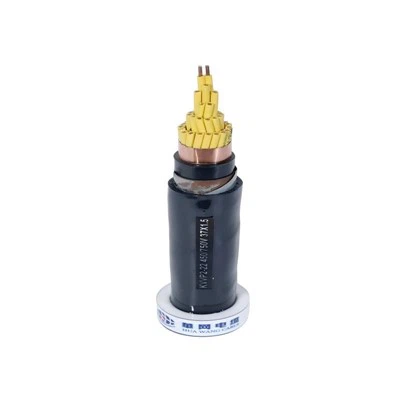

Proper storage of flexible shielded cables is crucial to maintain their performance and extend their service life. As a supplier of Flexible Shielded Cable, I've witnessed firsthand how improper storage can lead to issues such as cable damage, reduced shielding effectiveness, and even complete cable failure. In this blog, I'll share some essential guidelines on how to store flexible shielded cables properly.
Understanding Flexible Shielded Cables
Before delving into storage methods, it's important to understand what flexible shielded cables are. These cables are designed to provide protection against electromagnetic interference (EMI) and radio frequency interference (RFI). They typically consist of a conductor, an insulation layer, a shielding layer (such as a Copper Tape Shielded Cable), and an outer jacket. The flexibility of these cables allows them to be used in various applications where movement or bending is required.
Environmental Considerations
The environment in which flexible shielded cables are stored plays a significant role in their preservation. Here are some key environmental factors to consider:
Temperature
Extreme temperatures can have a detrimental effect on flexible shielded cables. High temperatures can cause the insulation to deteriorate, leading to increased resistance and potential short circuits. On the other hand, low temperatures can make the cables brittle and more prone to cracking. It is recommended to store cables in a temperature-controlled environment, ideally between 10°C and 30°C (50°F and 86°F).
Humidity
Excessive humidity can cause corrosion of the cable's conductors and shielding, as well as promote the growth of mold and mildew. To prevent these issues, the storage area should have a relative humidity level between 40% and 60%. If the humidity cannot be controlled within this range, consider using desiccants or dehumidifiers to reduce moisture levels.
Light Exposure
Prolonged exposure to sunlight or artificial light can cause the outer jacket of the cable to deteriorate, leading to reduced protection. Store cables in a dark or low-light environment to minimize light damage.
Chemical Exposure
Avoid storing flexible shielded cables near chemicals such as solvents, acids, and alkalis. These chemicals can react with the cable's materials, causing damage to the insulation, shielding, and outer jacket.
Storage Conditions
In addition to environmental factors, the physical storage conditions of the cables are also important. Here are some guidelines to follow:
Cable Reels
When storing cables on reels, ensure that the reels are in good condition and do not have any sharp edges or protrusions that could damage the cables. The reels should be stored on a flat, stable surface to prevent them from rolling or tipping over. It is also recommended to store the reels in an upright position to minimize stress on the cables.
Stacking
If you need to stack cable reels, do so carefully to avoid putting too much pressure on the cables at the bottom of the stack. Use pallets or other suitable supports to distribute the weight evenly. Do not stack the reels too high, as this can increase the risk of instability and damage.
Cable Coils
When storing cables in coils, make sure the coils are not too tight, as this can cause kinking and damage to the cable. Use cable ties or straps to secure the coils, but do not overtighten them. Store the coils in a dry, cool place, and avoid placing heavy objects on top of them.


Protection
To protect the cables from physical damage, cover them with a protective material such as a plastic sheet or tarpaulin. This will help prevent scratches, abrasions, and other types of damage that could compromise the cable's performance.
Handling and Inspection
Proper handling and regular inspection of flexible shielded cables during storage are essential to ensure their quality and performance. Here are some tips:
Handling
When handling cables, use appropriate lifting equipment and techniques to avoid causing damage. Do not drag the cables across rough surfaces or sharp edges, as this can cause cuts and abrasions. Use cable carts or dollies to move the cables around, and make sure the cables are properly secured to prevent them from falling or getting tangled.
Inspection
Regularly inspect the stored cables for any signs of damage, such as cuts, abrasions, or corrosion. Pay special attention to the cable's insulation, shielding, and outer jacket. If any damage is detected, take appropriate action to repair or replace the cable.
Special Considerations
Some flexible shielded cables, such as Fire Rated Control Cable, have special storage requirements. These cables are designed to maintain their integrity and function in the event of a fire, and improper storage can compromise their fire-resistant properties. Follow the manufacturer's recommendations for storing fire-rated cables, and ensure that the storage area meets all relevant fire safety regulations.
Conclusion
Proper storage of flexible shielded cables is essential to ensure their performance, reliability, and longevity. By considering the environmental factors, physical storage conditions, handling, and inspection, you can minimize the risk of damage and ensure that your cables are in optimal condition when they are needed. If you have any questions or need further assistance with storing flexible shielded cables, please don't hesitate to contact us for more information and to discuss your specific requirements. We're here to help you make the most of your flexible shielded cable investments.
References
- Electrical Cable Engineering Handbook
- National Electrical Code (NEC)
- International Electrotechnical Commission (IEC) standards