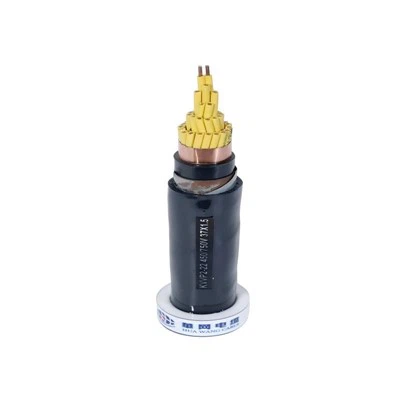

In the realm of power tools, the choice of wiring is a critical decision that can significantly impact performance, safety, and longevity. As a supplier of single core flexible wire, I often encounter the question: Can single core flexible wire be used in power tools? This blog post aims to explore this question in depth, providing a comprehensive analysis of the suitability of single core flexible wire for power tool applications.
Understanding Single Core Flexible Wire
Single core flexible wire consists of a single conductor encased in an insulating material. The flexibility of the wire is achieved through the use of multiple fine strands of copper or aluminum, which are bundled together to form the conductor. This construction allows the wire to bend and flex without breaking, making it ideal for applications where movement or vibration is expected.
The insulating material used in single core flexible wire can vary depending on the specific application and requirements. Common insulating materials include PVC (polyvinyl chloride), silicone rubber, and Teflon. Each material has its own unique properties, such as resistance to heat, chemicals, and abrasion, which make it suitable for different environments and conditions.
Advantages of Using Single Core Flexible Wire in Power Tools
There are several advantages to using single core flexible wire in power tools:
- Flexibility: As mentioned earlier, the flexibility of single core flexible wire makes it well-suited for power tool applications. Power tools often require the ability to move and maneuver in tight spaces, and a flexible wire can easily accommodate these movements without becoming damaged.
- Durability: Single core flexible wire is designed to withstand the rigors of daily use in power tools. The multiple strands of conductor provide increased strength and resistance to breakage, while the insulating material protects the conductor from damage caused by heat, moisture, and chemicals.
- Ease of Installation: Single core flexible wire is relatively easy to install in power tools. It can be easily routed through the tool's housing and connected to the appropriate terminals, making it a convenient choice for both professional and DIY users.
- Cost-Effective: Compared to other types of wiring, single core flexible wire is often more cost-effective. This makes it an attractive option for power tool manufacturers who are looking to reduce costs without sacrificing quality.
Considerations When Using Single Core Flexible Wire in Power Tools
While single core flexible wire offers many advantages for power tool applications, there are also some considerations that need to be taken into account:
- Current Capacity: The current capacity of single core flexible wire is an important factor to consider when using it in power tools. Power tools typically require a certain amount of current to operate, and the wire must be able to handle this current without overheating or causing a fire hazard. It is important to choose a wire with a sufficient current capacity for the specific power tool being used.
- Voltage Rating: In addition to current capacity, the voltage rating of the wire is also important. Power tools operate at different voltages, and the wire must be able to withstand the voltage without breaking down or causing a short circuit. It is important to choose a wire with a voltage rating that is appropriate for the power tool being used.
- Environmental Conditions: The environmental conditions in which the power tool will be used can also affect the performance and lifespan of the single core flexible wire. For example, if the power tool will be used in a wet or corrosive environment, it is important to choose a wire with an insulating material that is resistant to moisture and chemicals.
- Safety Standards: When using single core flexible wire in power tools, it is important to ensure that the wire meets all relevant safety standards. This includes standards for electrical safety, fire safety, and environmental protection. It is important to choose a wire that has been tested and certified by a recognized testing agency.
Types of Single Core Flexible Wire Suitable for Power Tools
There are several types of single core flexible wire that are suitable for power tool applications:


- PVC Insulated Flexible Wire: PVC insulated flexible wire is a popular choice for power tool applications due to its low cost, flexibility, and resistance to moisture and chemicals. It is available in a variety of sizes and colors, making it easy to choose the right wire for the specific power tool being used. Click here to learn more about PVC Insulated Flexible Wire
- Silicone Rubber Wire: Silicone rubber wire is another option for power tool applications. It offers excellent flexibility, high temperature resistance, and resistance to chemicals and UV radiation. Silicone rubber wire is often used in applications where the power tool will be exposed to high temperatures or harsh environmental conditions. Click here to learn more about Silicone Rubber Wire
- PVC Twisted Pair Wire: PVC twisted pair wire is a type of single core flexible wire that consists of two insulated conductors twisted together. It is often used in power tool applications where electromagnetic interference (EMI) is a concern. The twisted pair design helps to reduce EMI and improve the performance of the power tool. Click here to learn more about PVC Twisted Pair Wire
Conclusion
In conclusion, single core flexible wire can be a suitable choice for power tool applications. It offers many advantages, such as flexibility, durability, ease of installation, and cost-effectiveness. However, it is important to consider the current capacity, voltage rating, environmental conditions, and safety standards when choosing a wire for a specific power tool. By choosing the right type of single core flexible wire and following the appropriate installation and safety guidelines, power tool users can ensure the safe and reliable operation of their tools.
If you are interested in purchasing single core flexible wire for your power tool applications, please feel free to contact us. We are a leading supplier of high-quality single core flexible wire, and we would be happy to help you find the right wire for your needs.
References
- Electrical Wiring Handbook, 17th Edition
- National Electrical Code (NEC)
- Underwriters Laboratories (UL) Standards