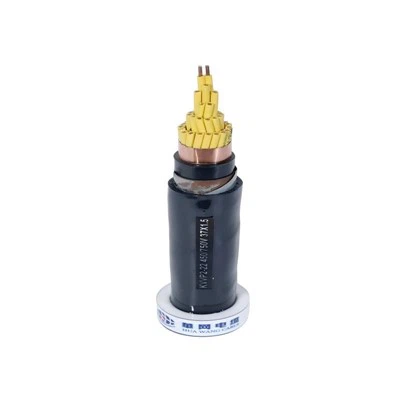

Can LSZH Flexible Cable be used in automotive applications?
Hey there! As a supplier of LSZH (Low Smoke Zero Halogen) flexible cables, I often get asked if these cables can be used in automotive applications. It's a great question, so let's dig into it.
Understanding LSZH Flexible Cables
First off, let's quickly go over what LSZH flexible cables are. LSZH cables are designed to emit low amounts of smoke and zero halogen in case of a fire. Halogens, like chlorine and fluorine, can be toxic and corrosive when released in a fire. So, LSZH cables are a safer option, especially in enclosed spaces where people might need to evacuate in case of a fire emergency.
The flexibility of these cables makes them easy to install in tight spaces and around corners. They're made with materials that allow them to bend without causing damage to the internal conductors. This is a huge advantage in applications where cable routing is complex.
The Automotive Environment
The automotive environment is unique and pretty demanding. Cars are exposed to a wide range of temperatures, from freezing cold in the winter to scorching heat in the summer. There's also a lot of vibration from the engine, the movement of the vehicle on different road surfaces, and the operation of various mechanical components.
Electromagnetic interference (EMI) is another issue in cars. With so many electronic systems, like the engine control unit, radio, and climate control, there's a lot of electrical activity going on. This can cause interference between different systems if the cables aren't properly shielded.
Advantages of Using LSZH Flexible Cables in Automotive Applications
Safety
Safety is a top priority in the automotive industry. In case of a fire in a vehicle, the low smoke and zero halogen characteristics of LSZH cables are a major plus. They can help reduce the amount of toxic fumes and smoke, giving passengers more time to evacuate safely.
Flexibility
As I mentioned earlier, the flexibility of LSZH cables is a big advantage. In a car, space is limited, and cables need to be routed around various components. The ability to bend these cables easily makes installation much simpler and more efficient. This can save time and labor costs during the manufacturing process.
Resistance to Vibration
Automotive engines and the movement of the vehicle create a lot of vibration. LSZH flexible cables are designed to withstand this type of stress. Their construction helps to prevent the conductors from breaking due to constant shaking, ensuring a reliable electrical connection over time.
EMI Shielding
Some LSZH flexible cables can be equipped with effective EMI shielding. This is crucial in an automotive environment to prevent interference between different electronic systems. Proper shielding helps to maintain the integrity of the electrical signals, ensuring that all systems operate correctly.
Challenges of Using LSZH Flexible Cables in Automotive Applications
Temperature Resistance
While LSZH cables can handle a certain range of temperatures, the extreme conditions in a car can be a challenge. The engine compartment, in particular, can get very hot. Some LSZH cable materials may not have the same high-temperature resistance as traditional automotive cables. This means that in some cases, additional heat protection or insulation may be required.
Cost
LSZH flexible cables can be more expensive than other types of cables. The materials used to achieve the low smoke and zero halogen properties, as well as the advanced manufacturing processes, add to the cost. This can be a concern for automotive manufacturers, who are always looking for ways to keep production costs down.
Comparing with Other Types of Cables
It's worth comparing LSZH flexible cables with other types of cables commonly used in automotive applications.
PVC Control Cable
PVC Control Cable is a popular choice in many industries, including automotive. PVC cables are relatively inexpensive and easy to work with. However, they release toxic halogen fumes when burned, which is a major drawback in terms of safety. LSZH flexible cables, on the other hand, offer better fire safety features.
Armored Shielded Cable
Armored Shielded Cable provides excellent protection against mechanical damage and EMI. It has a metal armor layer that adds strength and shielding. While LSZH flexible cables may not have the same level of physical protection as armored cables, they can still be designed with effective shielding to reduce EMI. The main advantage of LSZH cables is their safety in case of a fire.
Copper Tape Shielded Cable
Copper Tape Shielded Cable is known for its good EMI shielding properties. Similar to the comparison with armored cables, LSZH flexible cables can also be engineered with copper tape or other shielding materials. The key difference is the fire safety aspect, where LSZH cables have the upper hand.


Case Studies and Real-World Applications
There are already some examples of LSZH flexible cables being used in automotive applications. In electric vehicles (EVs), for instance, the need for fire safety is even more critical due to the large battery packs. LSZH cables are being used to connect various components in the battery management system, as well as in the wiring for the vehicle's electrical systems.
In luxury cars, where high-quality and safety are emphasized, LSZH flexible cables are being considered for use in the interior wiring, especially in areas where passengers are present. This helps to enhance the overall safety of the vehicle.
Conclusion
So, can LSZH flexible cables be used in automotive applications? The answer is yes, but with some considerations. They offer significant advantages in terms of safety, flexibility, and EMI shielding. However, challenges like temperature resistance and cost need to be addressed.
As automotive technology continues to evolve, the demand for safer and more efficient cables will only increase. LSZH flexible cables have the potential to become more widely used in the automotive industry, especially as manufacturers look for ways to improve the safety and performance of their vehicles.
If you're in the automotive industry and are interested in learning more about how LSZH flexible cables can meet your specific needs, I'd love to have a chat. Whether it's discussing the technical details, getting a quote, or just exploring the possibilities, don't hesitate to reach out. Let's work together to find the best cable solutions for your automotive applications.
References
- Various industry reports on automotive cable technology
- Technical specifications of LSZH flexible cables from leading cable manufacturers
- Case studies on the use of LSZH cables in automotive and other related industries