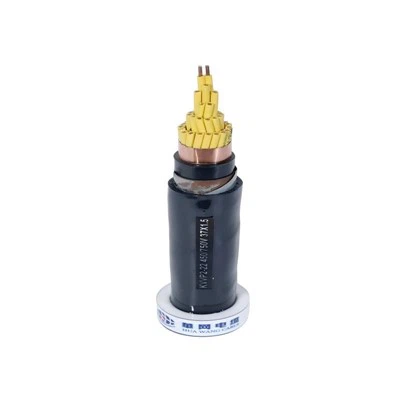

Are there different grades of silicone rubber wire? This is a question that often arises among those in need of high - performance wiring solutions. As a silicone rubber wire supplier, I can provide in - depth insights into this topic.
Silicone rubber wire is a type of cable that uses silicone rubber as its insulation material. It offers a range of benefits such as high temperature resistance, excellent flexibility, and good electrical insulation properties. These characteristics make it suitable for a wide variety of applications, from industrial machinery to consumer electronics.
Different Grades of Silicone Rubber Wire
There are indeed different grades of silicone rubber wire, and these grades are typically determined by several key factors, including the quality of the silicone rubber used, the manufacturing process, and the intended application.
1. Quality of Silicone Rubber
The quality of the silicone rubber is a primary determinant of the wire grade. High - grade silicone rubber is made from pure and well - formulated compounds. These compounds offer superior heat resistance, better mechanical properties, and enhanced chemical stability. For example, in high - temperature environments, high - grade silicone rubber can maintain its flexibility and insulation properties even at temperatures above 200°C. In contrast, lower - grade silicone rubber may start to degrade or lose its insulation effectiveness at much lower temperatures.
2. Manufacturing Process
The manufacturing process also plays a crucial role in defining the grade of the wire. A high - grade silicone rubber wire is often produced using advanced manufacturing techniques. This includes precise extrusion processes that ensure a uniform thickness of the insulation layer. A uniform insulation layer is essential for consistent electrical performance. Additionally, high - quality manufacturing processes involve strict quality control measures at every stage of production. This helps to eliminate defects such as air bubbles or uneven insulation, which can compromise the wire's performance.
3. Intended Application
The intended application of the wire is another important factor in determining its grade. For applications that require high reliability and safety, such as in aerospace or medical equipment, a higher - grade silicone rubber wire is necessary. These wires are designed to meet strict industry standards and regulations. They must be able to withstand extreme conditions without failure. On the other hand, for less demanding applications like some consumer electronics or general household wiring, a lower - grade wire may be sufficient.
Applications of Different Grades of Silicone Rubber Wire
High - Grade Silicone Rubber Wire
High - grade silicone rubber wire is commonly used in industries where reliability and performance are of utmost importance.
- Aerospace Industry: In aerospace applications, the wire must be able to withstand extreme temperatures, high levels of vibration, and radiation. High - grade silicone rubber wire meets these requirements, ensuring the safe and reliable operation of aircraft systems.
- Medical Equipment: Medical devices require wires that are not only heat - resistant but also biocompatible. High - grade silicone rubber wire can be formulated to meet these strict requirements, making it suitable for use in various medical equipment such as MRI machines and surgical instruments.
Low - Grade Silicone Rubber Wire
Low - grade silicone rubber wire is more commonly used in less critical applications.
- Consumer Electronics: In consumer electronics, such as chargers or small appliances, the wire does not need to withstand extreme conditions. Low - grade silicone rubber wire can provide adequate insulation and flexibility at a lower cost, making it a popular choice for these applications.
- General Household Wiring: For general household wiring, where the electrical load is relatively low and the environmental conditions are less harsh, low - grade silicone rubber wire can be used.
Comparison with Other Types of Wires
When considering silicone rubber wire, it's also important to compare it with other types of wires, such as PVC Twisted Pair Wire, Single Core Flexible Wire, and PVC Insulated Flexible Wire.
PVC Twisted Pair Wire
PVC twisted pair wire is commonly used for data transmission. While it offers good electrical insulation, it generally has lower temperature resistance compared to silicone rubber wire. PVC can start to soften and lose its insulation properties at relatively low temperatures, making it unsuitable for high - temperature applications.
Single Core Flexible Wire
Single core flexible wire is often used in applications where flexibility is required. However, the insulation material of single core flexible wire can vary. Silicone rubber wire offers better heat resistance and flexibility compared to some single core wires with other insulation materials.
PVC Insulated Flexible Wire
PVC insulated flexible wire is widely used due to its low cost. But similar to PVC twisted pair wire, it has limitations in terms of temperature resistance. Silicone rubber wire is a better choice when high - temperature performance is needed.
How to Choose the Right Grade of Silicone Rubber Wire
As a silicone rubber wire supplier, I often receive inquiries from customers about how to choose the right grade of wire for their specific needs. Here are some key considerations:
Temperature Requirements
Determine the maximum and minimum temperatures that the wire will be exposed to. If the application involves high - temperature environments, a high - grade silicone rubber wire with excellent heat resistance is necessary.
Electrical Requirements
Consider the electrical load and the required insulation resistance. High - grade wires typically offer better electrical performance and can handle higher electrical loads more safely.
Environmental Conditions
Take into account other environmental factors such as moisture, chemicals, and mechanical stress. If the wire will be exposed to harsh chemicals or high levels of mechanical stress, a high - grade wire with better chemical and mechanical resistance is recommended.
Conclusion
In conclusion, there are definitely different grades of silicone rubber wire, and these grades are determined by the quality of the silicone rubber, the manufacturing process, and the intended application. As a silicone rubber wire supplier, I understand the importance of providing the right grade of wire for each customer's specific needs. Whether you need a high - grade wire for critical applications or a low - grade wire for less demanding uses, we can offer a suitable solution.
If you are in the market for silicone rubber wire or have any questions about choosing the right grade, please feel free to contact us for a detailed discussion. Our team of experts is ready to assist you in making the best decision for your wiring requirements.


References
- "Handbook of Electrical and Electronic Insulating Materials"
- "Silicone Rubber Technology and Applications"